Jozani Chwaka Bay National Park (Red Colobus Monkey) Tour
3-Day Zanzibar Beach & Historic Stone Town Getaway
5-Day Zanzibar Island & Spice Relaxation Package
Zanzibar Archipelago
Jozani Chwaka Bay National Park covers roughly 50 square kilometres in the centre south of Unguja and was declared a national park in 2004. It is managed by the Zanzibar Department of Forestry rather than by TANAPA, which is a distinction worth noting because fees, guiding arrangements and regulations follow Zanzibar rather than mainland procedure.
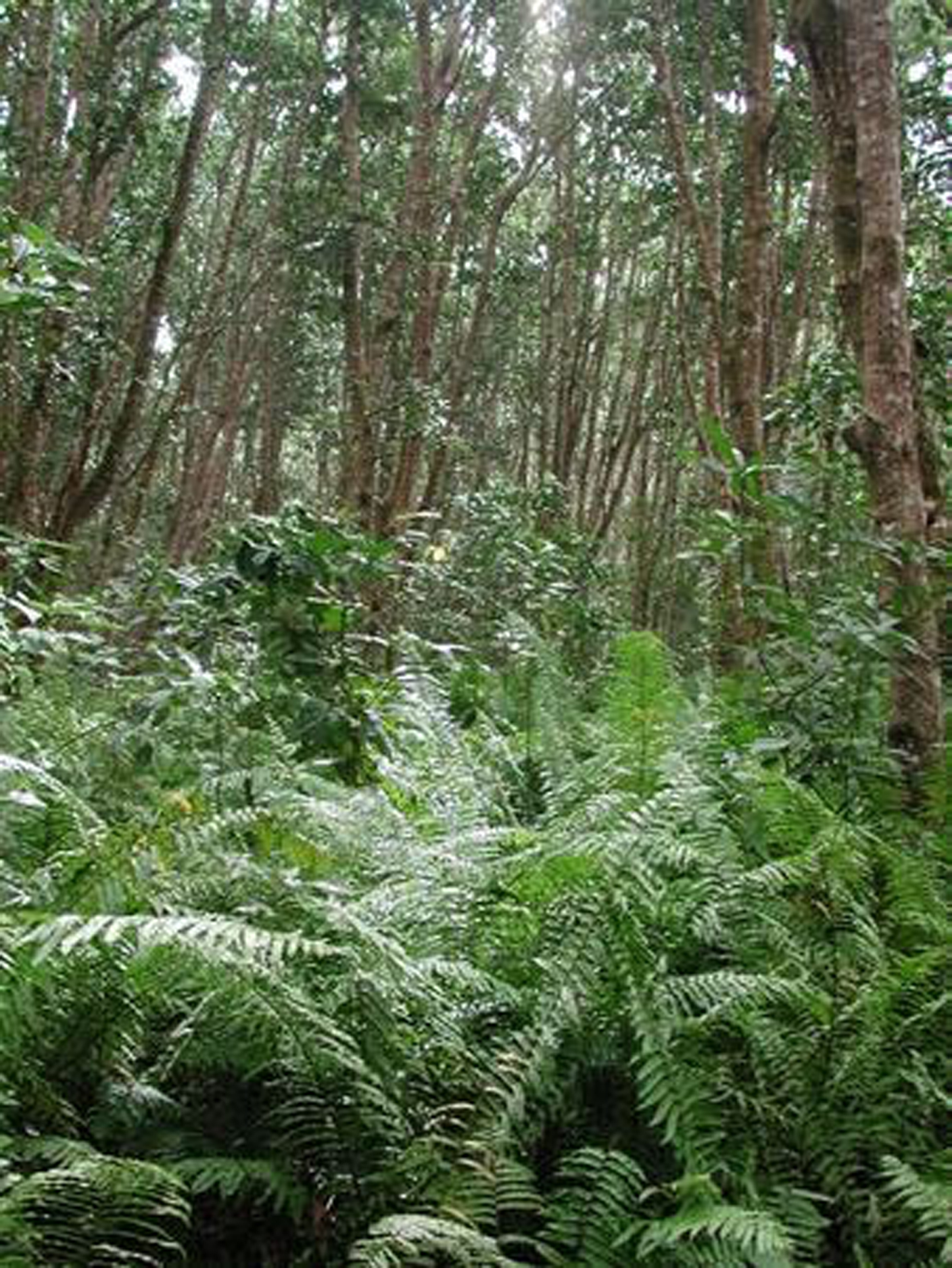
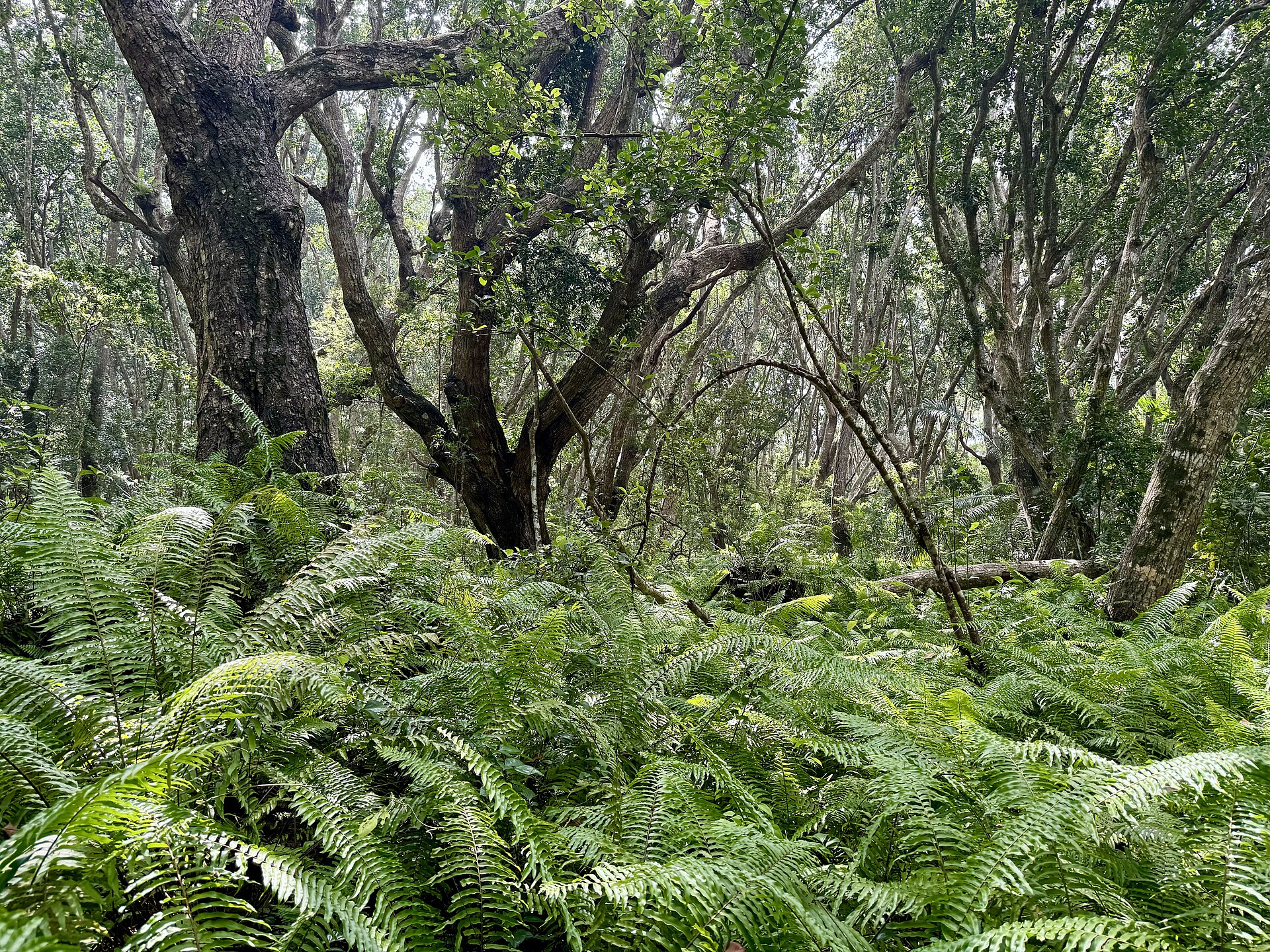
The park protects a mosaic of habitats: groundwater forest sitting on a high water table, coral rag thicket on ancient raised reef, salt marsh and an extensive mangrove system along Chwaka Bay. This variety within a small area is what supports the park’s species list, and it is why a visit involves both a forest walk and a boardwalk over mangrove.
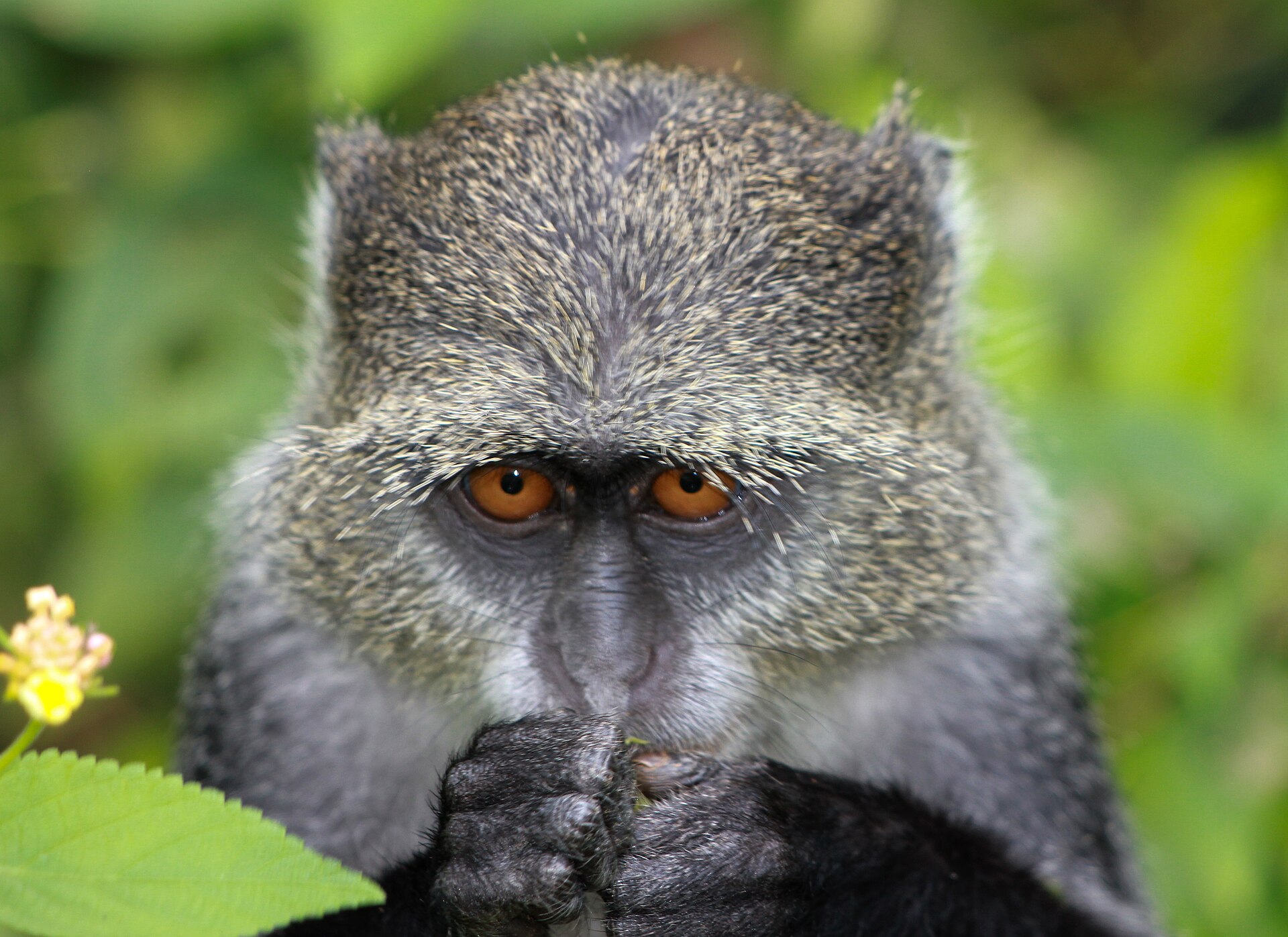
The flagship species is the Zanzibar red colobus, Piliocolobus kirkii, an endemic primate whose global population is concentrated here and in adjoining forest patches. Troops near the main trails are habituated and sightings are consistently reliable. Ader’s duiker, Sykes’ monkey, bushbaby and a substantial bird and butterfly list are also present, though the duiker in particular is rarely seen.
Conservation pressure comes from habitat fragmentation, road mortality where the highway cuts through colobus range, and the tension between community land use and protected boundaries. Speed bumps and community forest agreements are part of the current management response, and visitor fees contribute to that framework.
Practically, Jozani is a half day activity rather than a destination in its own right. It sits conveniently between Stone Town and the east coast beaches, which makes it a natural stop on a transfer day rather than a separate excursion.
Practical planning for Jozani Chwaka Bay National Park should begin with habitat, season and access rather than a generic checklist. The protected area covers 50 square kilometres within zanzibar archipelago, and day to day wildlife distribution responds to water, forage and human movement rules set by the Zanzibar Department of Forestry and Non-Renewable Natural Resources.
Seasonality remains decisive. The months most often recommended for structured visits include June, July, August, September, October, December, January, February. Even within those windows, morning and late afternoon light, road condition after rain, and lodge location change what a visitor can cover in one day. Multi night stays reduce transit pressure and allow more than one sector or trail system to be used properly.
Visitor conduct is part of conservation outcomes. Stay on authorised roads or trails, keep distance from wildlife, and follow guide and ranger instructions at gates, viewpoints and trailheads. Off road driving, littering and unlicensed guiding undermine both ecology and the quality of later visits.
Jozani Chwaka Bay National Park works best as part of a coherent regional itinerary. Pairing it with neighbouring parks or conservation areas gives habitat contrast, spreads logistical risk and avoids compressing too many objectives into a single rushed transfer day.

Guided forest walks of around 45 minutes to an hour are the core activity, followed by the mangrove boardwalk. Both are flat, short and suitable for most fitness levels. Guiding is compulsory and included in the entry fee, and guides are drawn substantially from surrounding communities.
Early morning and late afternoon give the best primate activity and the most tolerable heat and humidity. Butterfly and bird interest is highest just after rain.
Activity choice in Jozani Chwaka Bay National Park should match fitness, travel style and current regulations. Some zones favour vehicle based viewing, while others are trail, boat or mountain oriented. Confirm which products are formally authorised before marketing or booking a programme.
Timing matters as much as the activity type. Early starts usually improve wildlife activity and trail conditions, while midday heat or mist can reduce both comfort and sighting quality. Operators should brief guests on expected duration, difficulty and shut off times set by park management.
The habituated red colobus troops along the roadside forest are the principal draw and the reason most visitors come. The mangrove boardwalk gives an accessible look at a habitat that is otherwise difficult to enter, and the groundwater forest trail shows the tall mahogany canopy that once covered much more of the island.
The adjacent community run butterfly centre operates as a separate small enterprise and is frequently combined with the park visit.
Attractions inside Jozani Chwaka Bay National Park are not static postcard points. Waterholes, river bends, forest belts and viewpoints gain or lose importance with season. A good circuit uses current local knowledge instead of repeating the same stop list every month of the year.
Interpretation should remain factual: geology, ecology and management history explain why a site matters. Avoid overcrowding sensitive viewpoints and leave no waste at picnic or lookout sites.
There is no accommodation inside the park. Visitors stay either in Stone Town, roughly 45 minutes to the west, or on the east coast at Paje, Jambiani or Bwejuu, roughly 20 to 30 minutes away. This is the main reason the park is almost always visited as a half day or transfer day stop.
Accommodation around Jozani Chwaka Bay National Park ranges from permanent lodges to seasonal camps and simple bandas, depending on location. Confirm whether the property sits inside the protected area, in a concession, or in a nearby town, because this affects gate timing, night sounds and transfer length.
When comparing properties, ask about medical response plans, communications, airstrip or road access in wet months, and whether rates include park related logistics. Comfort expectations should be set honestly for remote western or highland locations.
The park lies directly on the main road between Zanzibar City and the east coast, about 35 kilometres from Stone Town. Any east coast transfer passes the gate, and taxis, organised tours and private drivers all serve it routinely.
Entry fees are paid at the gate and include the compulsory guide. Fees are set under Zanzibar regulations and differ from mainland TANAPA park tariffs.
Access planning for Jozani Chwaka Bay National Park must include gate opening hours, vehicle requirements, flight connections and seasonal road risk. Charter flights save time but still need ground transfers that match lodge schedules.
Carry confirmation of fees, permits and guide arrangements before arrival. Self drive visitors should use up to date route advice and never assume that a dry season track remains passable after heavy rain.
Approximate area: 50 km².
Establishment: Declared a national park in 2004.
Managing authority: the Zanzibar Department of Forestry and Non-Renewable Natural Resources.
Visitors must not touch or feed the monkeys. A minimum distance is enforced, principally because primates are susceptible to human transmitted disease. Flash photography is discouraged.
The forest is humid and mosquitoes are present, particularly near the mangrove. Insect repellent and closed shoes are sensible even for a short walk.
No. It is managed by the Zanzibar Department of Forestry under Zanzibar’s own conservation framework. Entry fees, guiding rules and permit arrangements therefore differ from mainland national parks.
Very likely. The troops along the main forest edge are habituated to visitors and are seen on the large majority of walks. No wildlife sighting is guaranteed, but Jozani is among the most dependable primate viewing anywhere in Tanzania.
Around 90 minutes to two hours for the forest walk and mangrove boardwalk together. Adding the butterfly centre extends it to roughly half a day including transfers.
Yes. Both trails are flat and short, and the boardwalk is raised and even. Heat and humidity are the main limiting factors rather than terrain.
That is the most efficient way to do it. The park sits on the Stone Town to east coast road, so it slots into a transfer day without any backtracking.
Independent visitors can generally arrive and pay at the gate. Booking through an operator secures a vehicle and fixes timing, which matters more if you are combining the visit with a transfer or a tide dependent boat trip.
Primates share enough of our physiology to catch human respiratory infections, which can move through a troop quickly. The enforced distance is a disease control measure as much as a behavioural one.
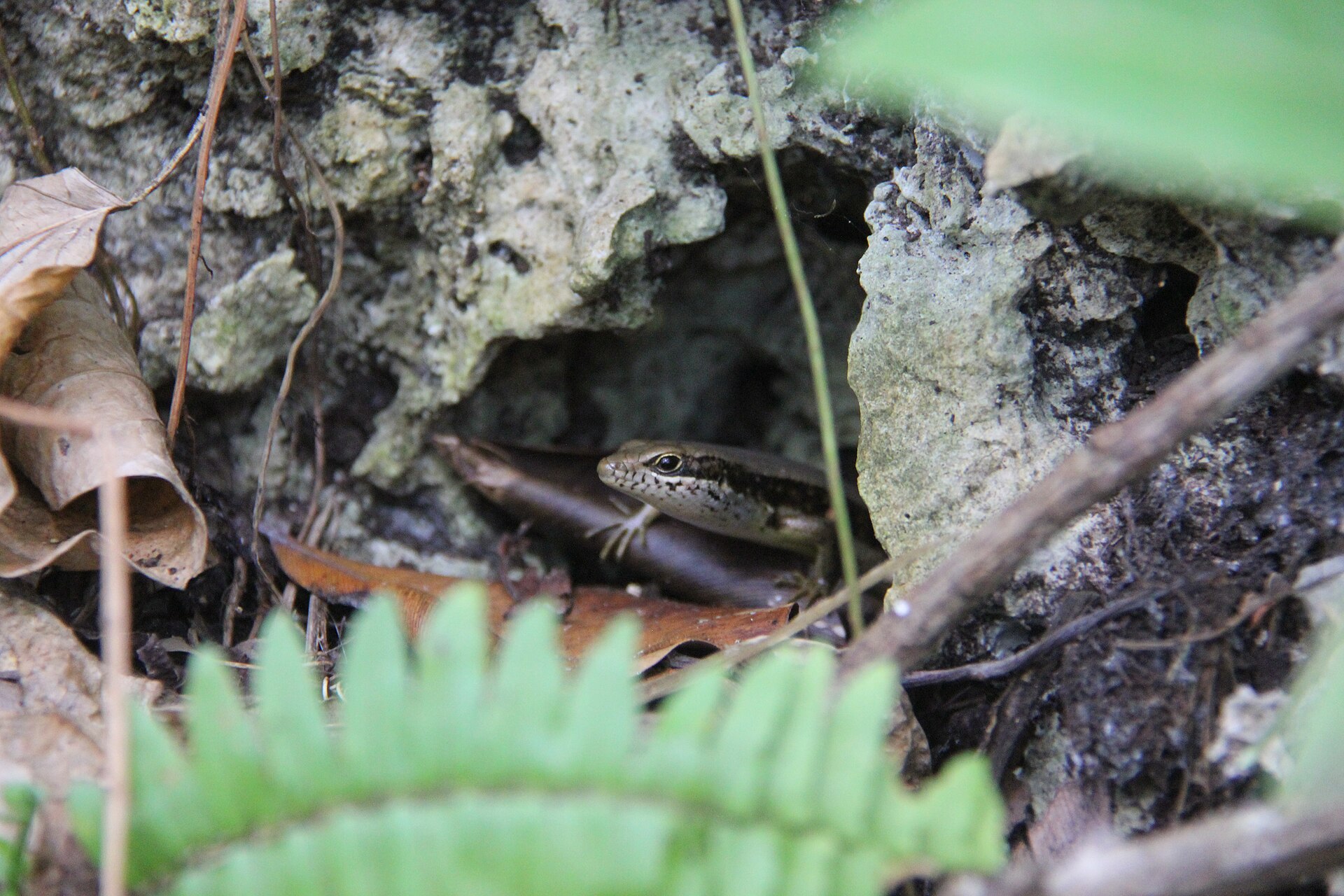
Sykes’ monkey, bushbaby, several duiker species including the rare Ader’s duiker, mongoose, bush pig, and a substantial bird and butterfly list. Most of these are far less visible than the colobus.
Early morning or late afternoon. Primate activity is higher and the forest is markedly cooler. Midday visits are still productive for the habituated roadside troops but less comfortable.
Insect repellent, closed walking shoes, water and a camera without flash. Rain is possible in most months, so a light waterproof is useful for the forest trail.