Kilimanjaro Climbing
7-Day Machame Route Trek



This is the Machame itinerary we recommend by default. The route, scenery and terrain are identical to the six day version, but the long Barranco to Barafu day is split in two with a night at Karanga Camp at 3,995 metres.
That split does two things. It removes an eight or nine hour day immediately before summit night, so you arrive at Barafu rested rather than depleted. And it adds a further night above 3,900 metres, which is where the acclimatisation gains are made.
The combination is why seven day Machame consistently reports summit success in the 80 to 90 percent range against roughly 60 to 70 percent for six days. For a modest increase in cost, that is a substantial improvement in the probability of standing on the summit.
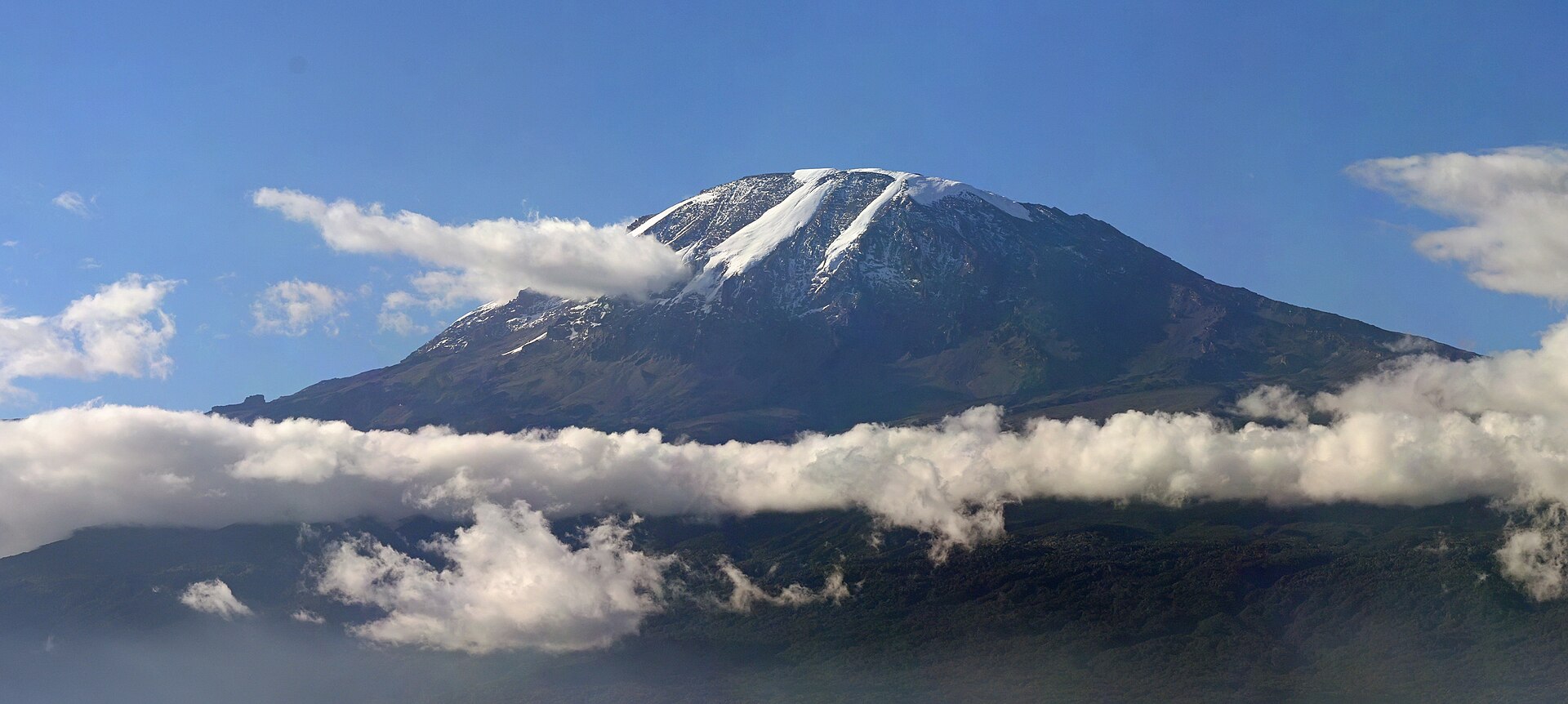
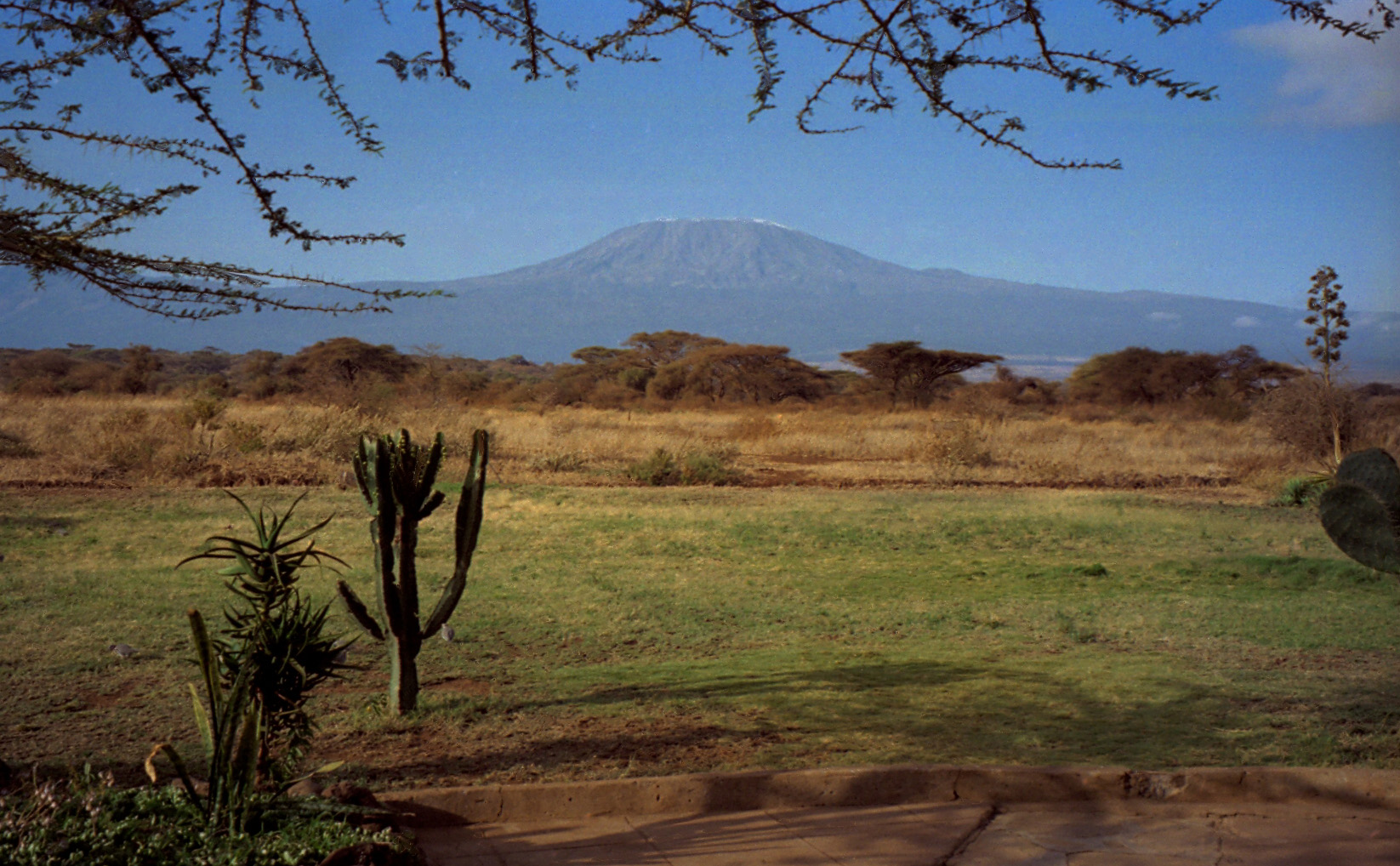
Everything else that makes Machame attractive remains: the rainforest ascent, the Shira Plateau, the Lava Tower acclimatisation day and the Barranco Wall scramble. It is the best balance of scenery, cost and success rate on the mountain for most trekkers.
Planning your trip
Practical planning. The itinerary runs over 7 days, which sets the pace: each additional day reduces transfer pressure and gives the guide room to respond to conditions rather than follow a fixed schedule. We quote fees at the tariff period current at the time of booking, since park, conservation and crater charges are revised periodically and are a significant share of the total cost. Yellow fever certification is required if you are arriving from or transiting a country with risk of transmission, and travel insurance covering medical evacuation is a condition of travel on all our programmes.
Season. The two reliable climbing windows are January to mid March and June to October. The long rains from late March through May and the short rains in November bring wet forest sections, heavier cloud and colder summit nights. Climbing outside the main windows is possible and cheaper, but success rates fall and the experience is materially harder.
On the mountain. Walk slowly, drink three to four litres of water daily and report headaches or nausea to your guide rather than concealing them. Guides carry pulse oximeters and check oxygen saturation twice daily. Descent is the only reliable treatment for altitude sickness, and a guide who calls it is protecting you rather than failing you. Porters are paid and loaded according to Kilimanjaro Porters Assistance Project guidelines.
Where this trip goes
Read the full destination guides for every protected area covered by this itinerary before you travel. Each one sets out habitat, seasonality, access and the managing authority in detail.
Compare similar packages
If the length, pace or budget of this itinerary is not quite right, these alternatives cover comparable ground:
You can also browse the full package catalogue or the destination directory to build a custom itinerary with us.
Highlights
- Extra night at Karanga Camp before the summit push
- Summit success rates typically in the 80 to 90 percent range
- Shira Plateau, Lava Tower and the Barranco Wall
- Shorter, less depleting day before summit night
- Five climate zones across seven days
Trip itinerary
Day 1: Machame Gate to Machame Camp
Registration at Machame Gate at 1,800 metres and five to seven hours through montane rainforest, often wet underfoot, to Machame Camp at 3,000 metres.
Day 2: Machame Camp to Shira Camp
Four to six hours out of the forest, over a rocky ridge and onto the open Shira Plateau, camping at 3,840 metres with wide views west.
Day 3: Shira Camp to Barranco Camp via the Lava Tower
Six to eight hours east across alpine desert to the Lava Tower at 4,630 metres for lunch, then a descent into the Barranco valley to camp at 3,960 metres among giant senecio.
A demanding day that does the most valuable acclimatisation work of the trek.
Day 4: Barranco Camp to Karanga Camp
A short day of four to five hours beginning with the Barranco Wall scramble, then across the Karanga valley to camp at 3,995 metres.
The afternoon is free, which is exactly the point: rest at altitude before the push to Barafu rather than pressing straight on.
Day 5: Karanga Camp to Barafu Camp
Three to four hours across scree and rock ridges to Barafu Camp at 4,673 metres, arriving around midday.
An early dinner and sleep from the late afternoon in preparation for a midnight departure.
Day 6: Summit day and descent to Mweka
Midnight start for the ascent to Stella Point at 5,756 metres, six to seven hours on steep scree, then the rim walk to Uhuru Peak at 5,895 metres for sunrise.
Descend to Barafu for a rest and meal, then continue to Mweka Camp at 3,100 metres.
Day 7: Mweka Camp to Mweka Gate
Three to four hours down through moorland and rainforest to Mweka Gate at 1,640 metres, where certificates are issued, then the transfer to Moshi.
Included
- Kilimanjaro National Park entry, camping and rescue fees
- Four-season mountain tents, sleeping mats and mess tent
- Professional KPAP-registered guides and assistant guides
- Porters, cook and all mountain meals
- Two nights hotel in Moshi before and after the climb, bed and breakfast
- All transfers and airport pick-up
- Emergency oxygen, pulse oximeter, daily health checks and portable toilet
Excluded
- International flights and Tanzania visa fees
- Travel insurance with high altitude trekking cover, mandatory
- Sleeping bag and personal trekking equipment, hire available
- Tips for the guiding and porter team
- Personal items, drinks and laundry
Accommodation
Six nights camping in four-season tents with sleeping mats, mess tent and a private portable toilet. All camps are pitched and struck by the porter team before you arrive and after you leave.
Two hotel nights in Moshi bracket the climb, with a gear check and briefing the evening before. Sleeping bag hire is available if you would rather not carry one from home.
FAQs
Is the seventh day worth the extra cost?
Yes, more than almost any other upgrade. It raises summit success from roughly 60 to 70 percent to roughly 80 to 90 percent. Set against the cost of flying to Tanzania and not reaching the top, it is inexpensive insurance.
How does this compare with the 7-day Lemosho?
Similar success rates. Lemosho starts on the western side, is quieter for the first two days and is slightly more scenic. Machame is cheaper and busier. If cost matters, take Machame; if solitude matters, take Lemosho.
What is Karanga Camp like?
A camp on a ridge at 3,995 metres with views down the Karanga valley and up to the southern ice fields. It is the last water point on the route, so porters collect and carry water from here to Barafu.
How fit do I need to be?
You need to be able to walk five to seven hours a day on consecutive days, and to manage a fourteen to sixteen hour summit day. Regular hill walking with a pack in the months before is far more useful than gym cardio.
What level of fitness does this climb require?
You need to be able to walk five to seven hours a day on consecutive days and to manage a summit push of fourteen to sixteen hours. Regular hill walking with a loaded pack in the months before travel prepares you far better than gym cardio. Kilimanjaro is a walk, not a technical climb, but it is a long one at altitude.
How are porters treated and paid?
We operate to Kilimanjaro Porters Assistance Project guidelines on load limits, wages, meals and shelter. Load weights are checked at the gate and again on the mountain. If you would like to see the wage schedule for your climb we will provide it.
What happens if I cannot continue?
An assistant guide descends with you while the rest of the group continues, which is why guide ratios matter. Descent is the treatment for altitude sickness and it is effective and immediate. Emergency oxygen is carried on every climb and evacuation arrangements are in place.
What equipment do I need to bring?
Broken-in boots, a sleeping bag rated to at least minus ten Celsius, insulated summit layers including a down jacket, waterproof shell, gloves, headtorch and trekking poles. We send a full kit list on booking and most items can be hired in Moshi if you would rather not carry them from home.
How far in advance should I book 7-Day Machame Route Trek?
For peak months, meaning July to October and the Christmas and New Year period, six to twelve months ahead. Camps and mountain permits in those windows genuinely sell out. For green season travel, two to three months is usually sufficient.
Can this itinerary be customised?
Yes. Every itinerary we publish is a starting point. Days can be added or removed, accommodation tiers changed, internal flights substituted for road transfers, and extensions to Zanzibar or the southern parks attached. Tell us the constraint and we will build around it.