
When to Visit the Serengeti for the Great Migration
- CharlaBliss Travel Team
- July 17, 2026
- 12 min read
- Safari Tips
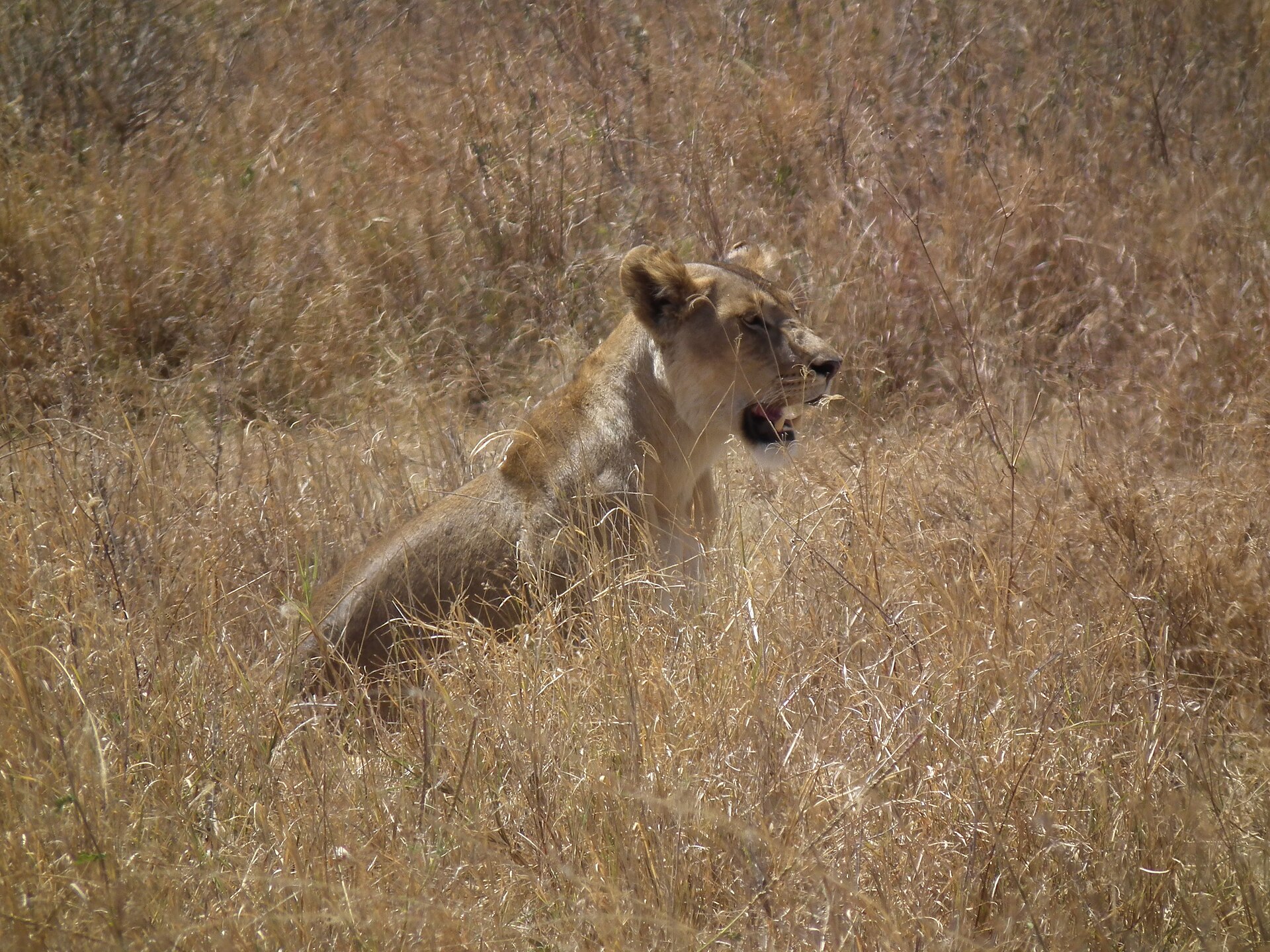
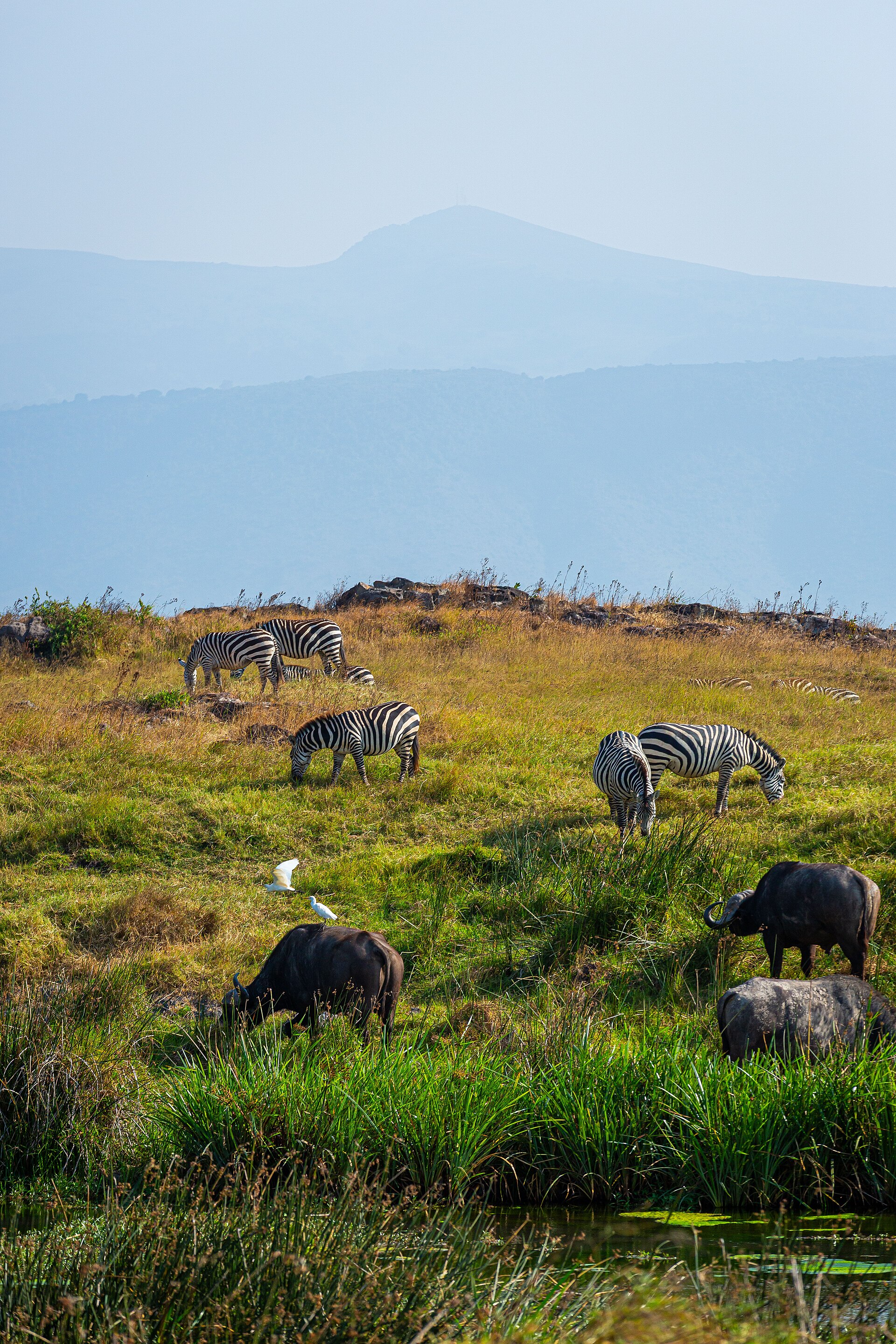
The Great Migration is not a single weekend event. It is a year-round loop of roughly 1.5 million wildebeest, hundreds of thousands of zebra and accompanying predators shifting with grass and water across the Serengeti–Mara ecosystem. When to Visit the Serengeti for the Great Migration exists to replace vague “peak season” advice with regional timing you can actually book against.

How the migration actually moves through the year
From roughly December to March, short-grass plains in the southern Serengeti and Ndutu area hold the herds for calving. Predators follow, and sightings can be intense in a relatively compact landscape. From April into May, rains push animals north and west. June and July traditionally favour the western corridor and Grumeti crossings, while July to October concentrates drama around the northern Serengeti and Mara River.
None of these windows are clockwork. Local rainfall can hold herds longer in one sector or accelerate movement by weeks. That is why flexible camp locations — or a guide team watching radio reports — matter more than locking one famous crossing viewpoint months ahead.
If you can only travel in November, do not abandon Serengeti plans. Shoulder periods still deliver resident game, quieter camps and strong value, even when the mega-herds are dispersed.

Matching nights to the right Serengeti sector
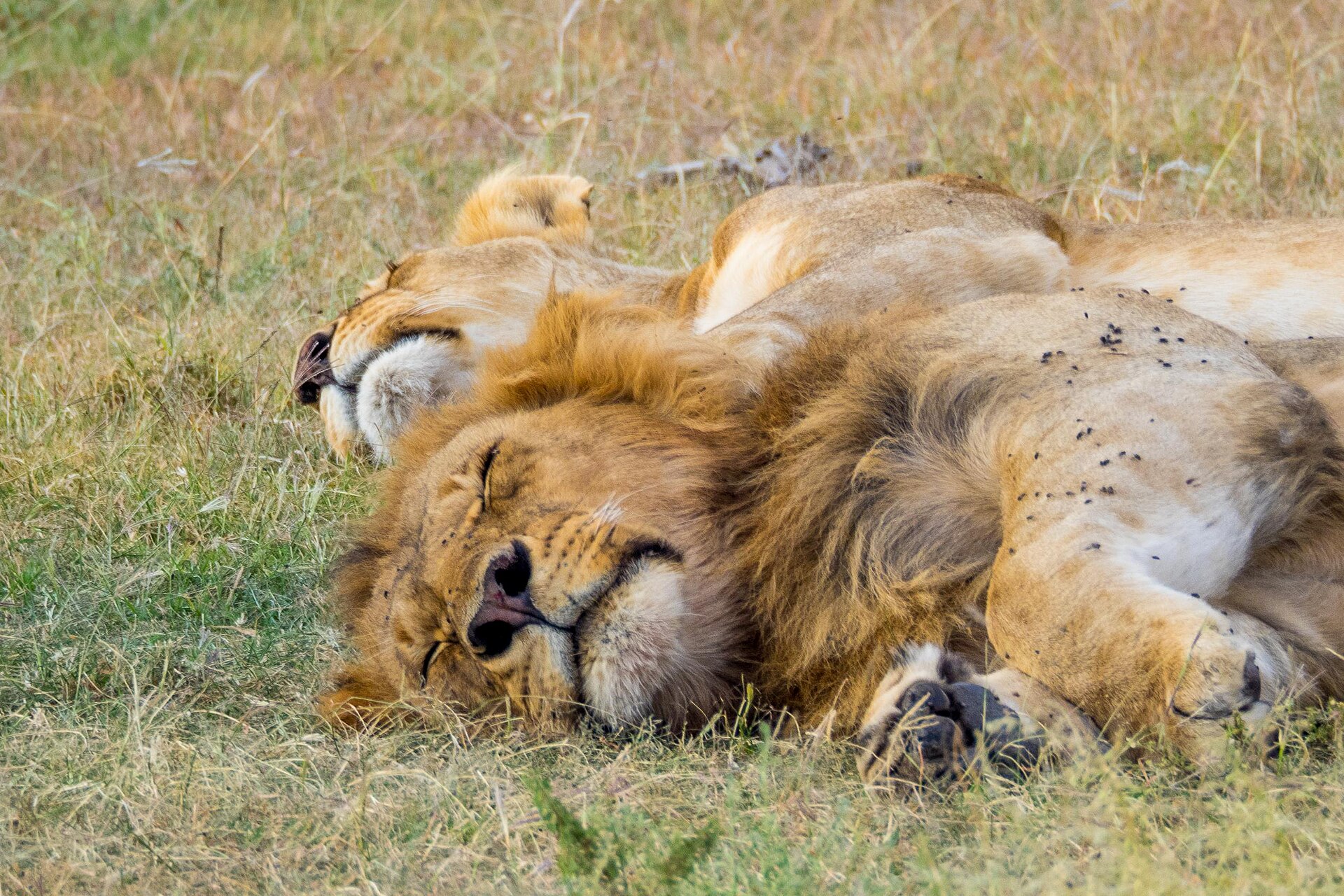
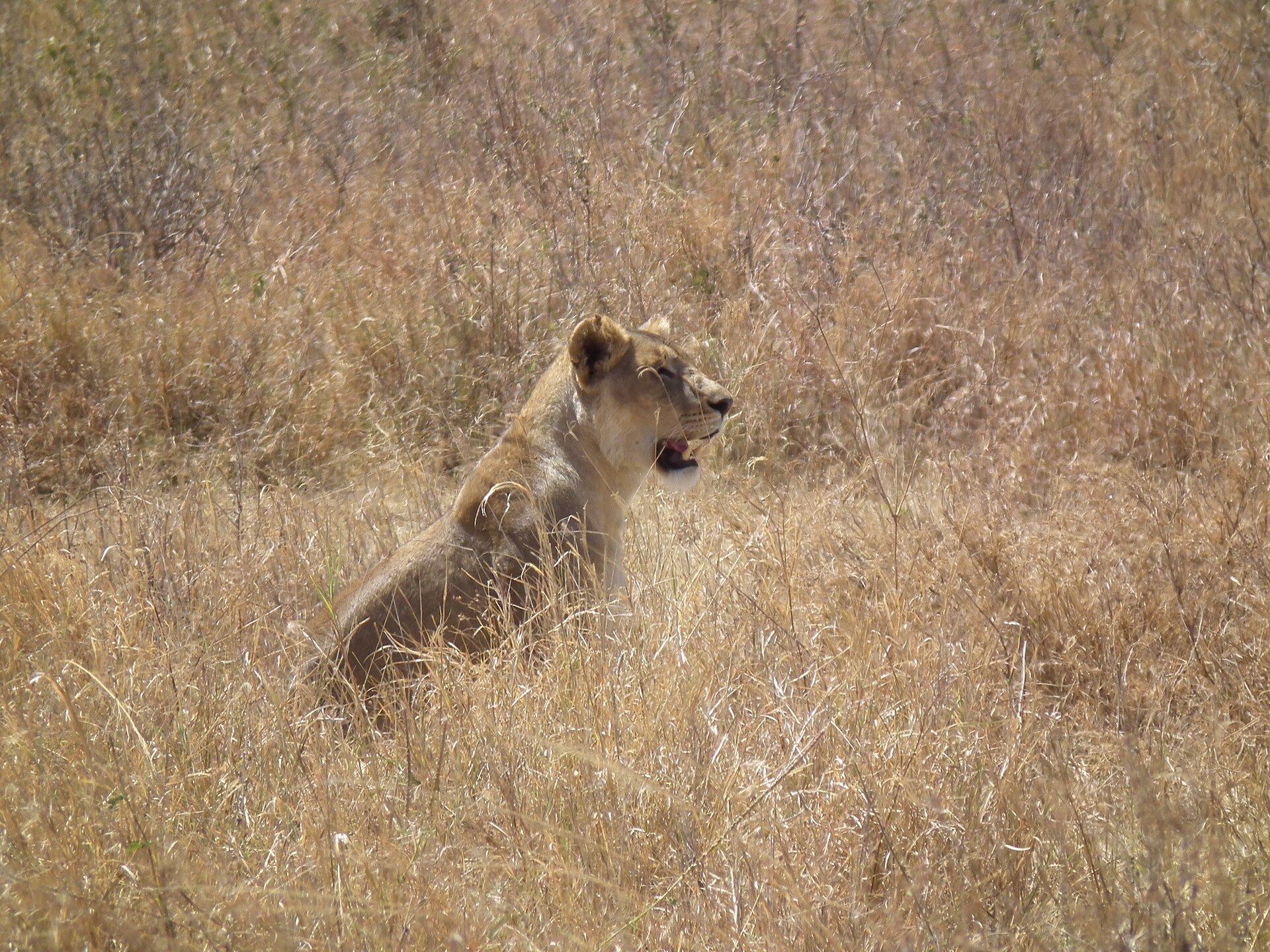
Calving trips need southern or Ndutu access, not a central Serengeti lodge marketed generically as “migration”. River-crossing itineraries need northern mobility and enough nights to absorb a quiet day when herds do not cross. Central Serengeti remains excellent for resident predators and classic savannah scenery year-round.
As a planning rule, give Serengeti at least three nights on a first migration-focused safari. Two nights can work for a fly-in sampler, but weather and herd location then decide too much of your experience.

Practical booking notes from the field
Peak July–September inventory sells early, especially mobile migration camps. Shoulder months reward travellers who can move dates by a week. Pairing Serengeti with a Ngorongoro crater morning still makes sense on almost every itinerary because the crater’s enclosed population is independent of migration timing.
Read the Serengeti National Park destination guide for habitat and access detail, then compare migration packages below rather than buying a generic “Serengeti safari” label.
Destinations linked in this guide
Open each destination page for habitat notes, access detail and seasonal context before you lock lodge nights.
See also the complete destinations catalogue.
Suggested CharlaBliss packages
These published itineraries align with the themes in this article. Open any package for inclusions, day-by-day flow and quote requests.
- 4-Day Great Migration Tracking Safari
- 7-Day Great Wildebeest Migration River Crossing Safari
- 6-Day Mid-Range Serengeti Migration Adventure
- 5-Day Serengeti & Ngorongoro Crater Fly-In Safari
Or browse all safari packages by trip type.
Continue planning on CharlaBliss Travel
- Plan your trip — send dates, group size and comfort preferences
- Contact the team — ask a specialist about seasonality or custom routing
- Travel blog — more Tanzania planning guides
- Home — start from the CharlaBliss overview
Talk to CharlaBliss
Ready to place camps on the right grass at the right time? Tell us your month of travel and we will map parks, lodges and flights around it.