Wildlife Safari
6-Day Mid-Range Serengeti Migration Adventure
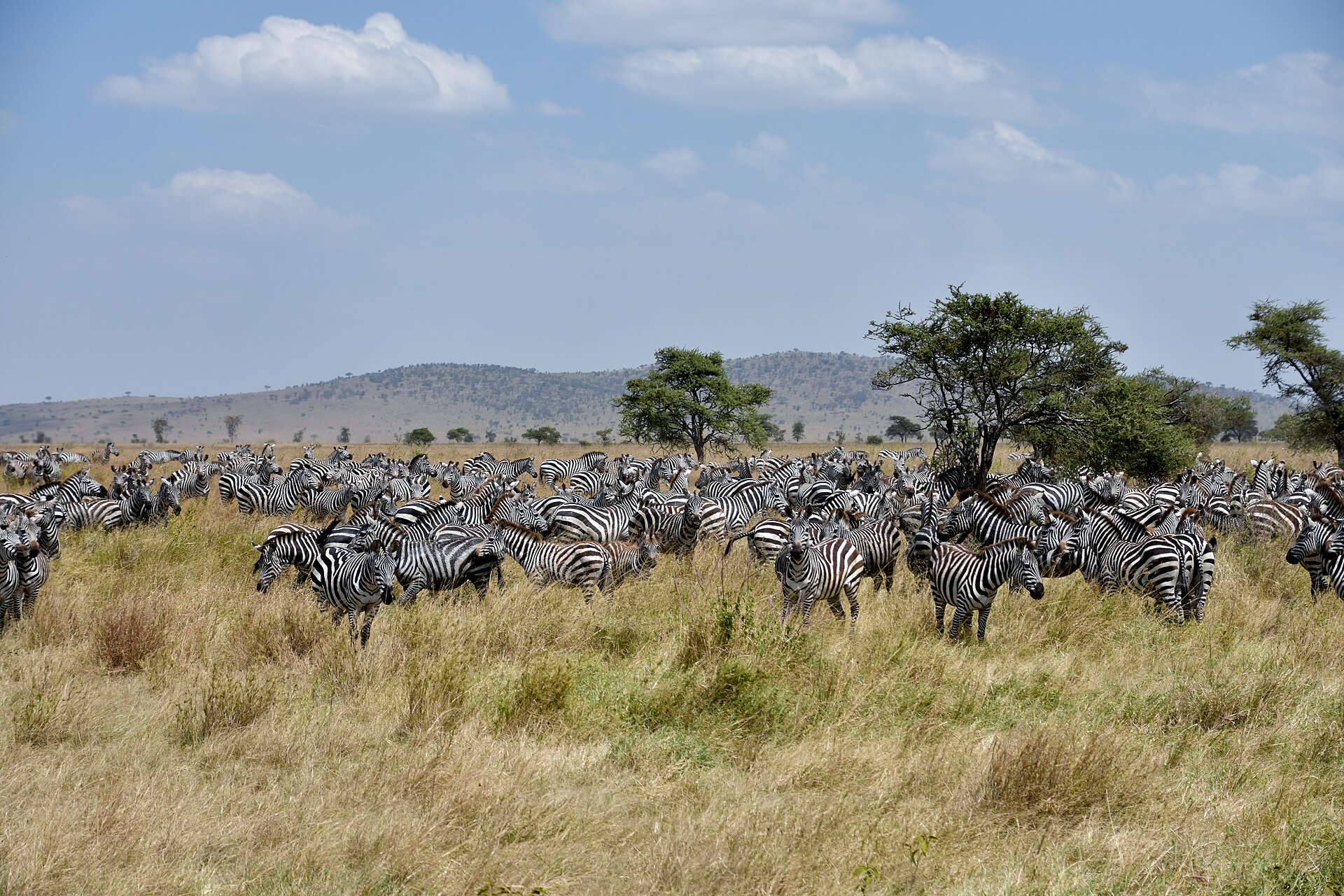
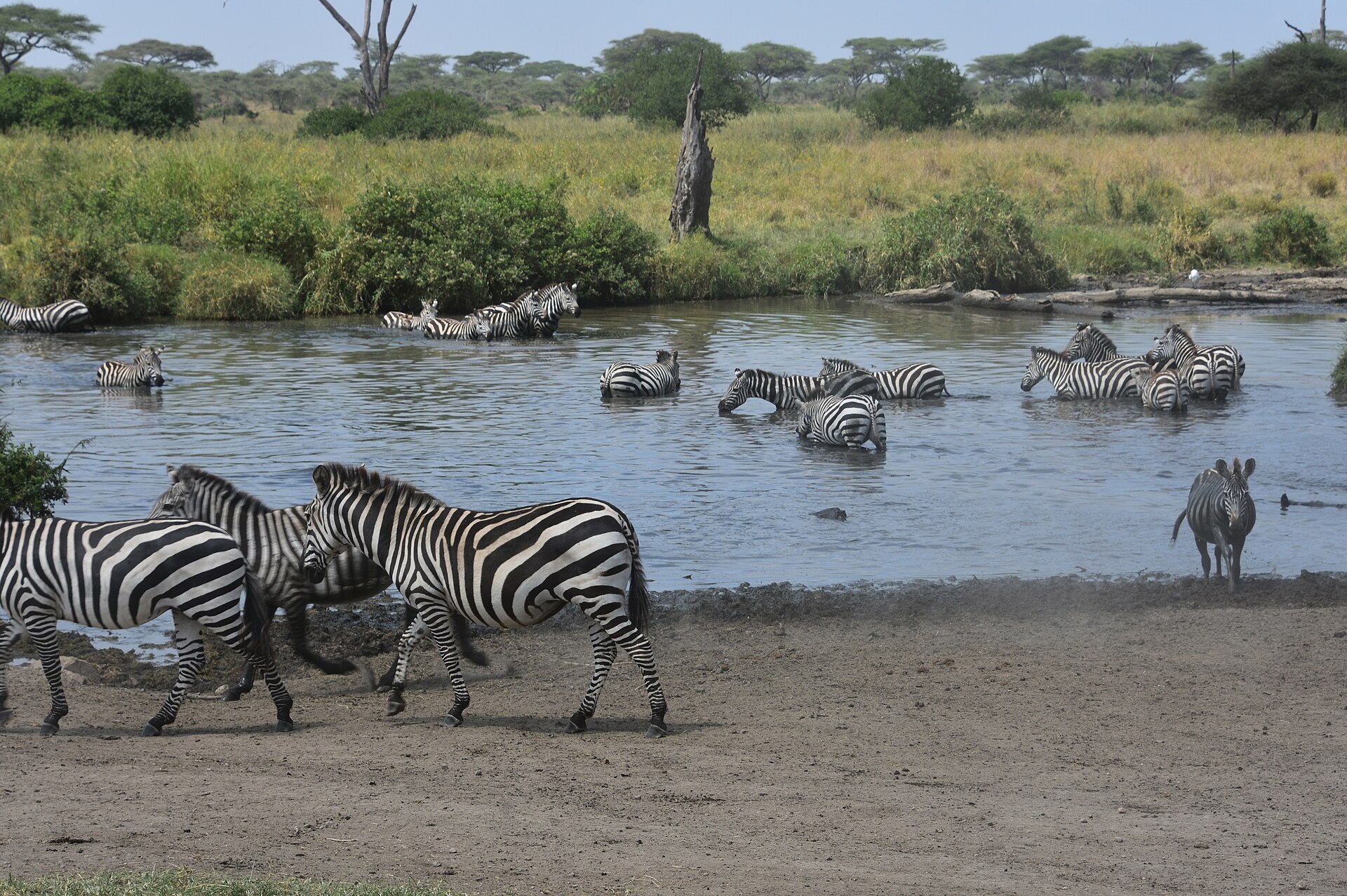
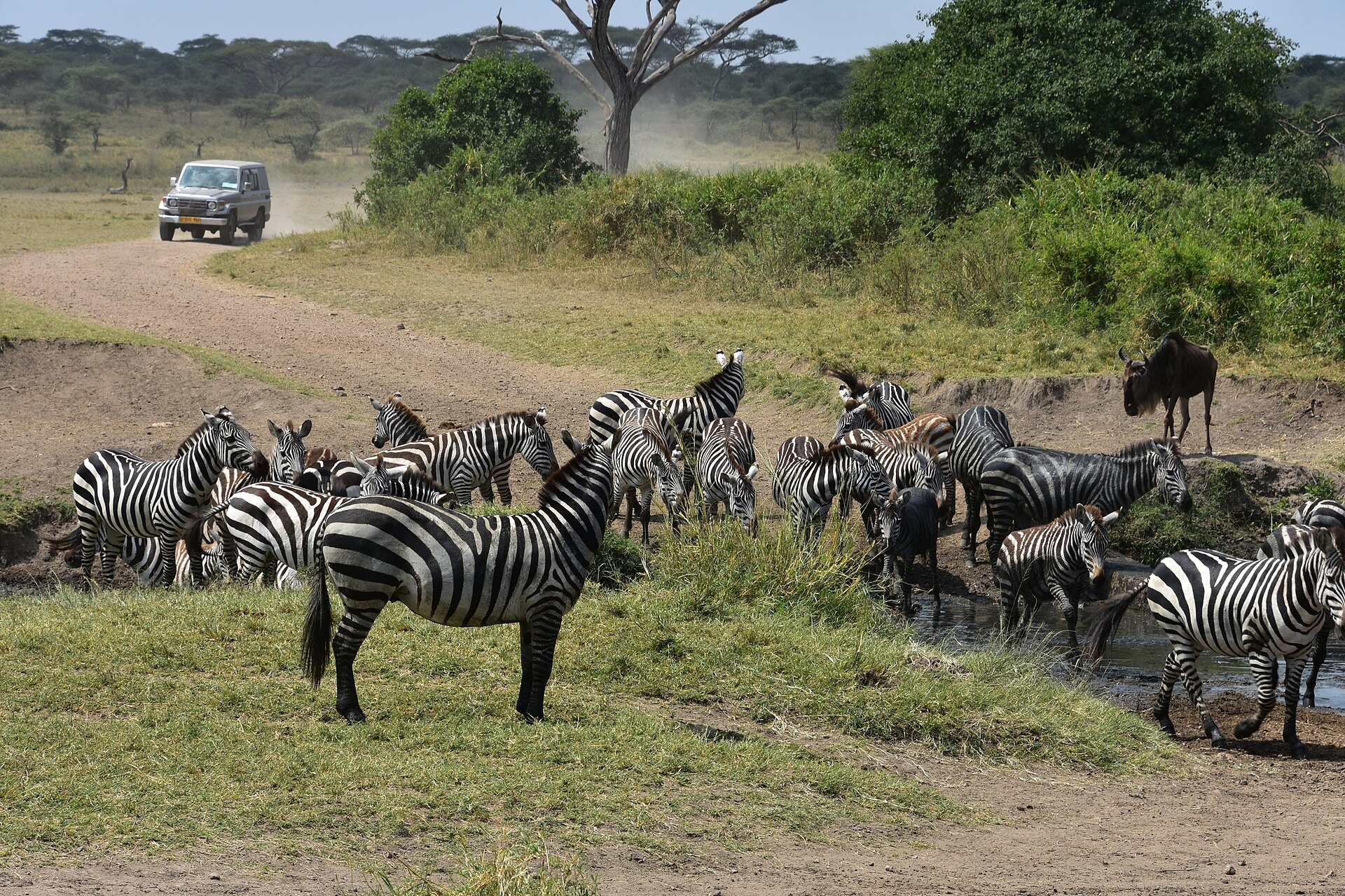
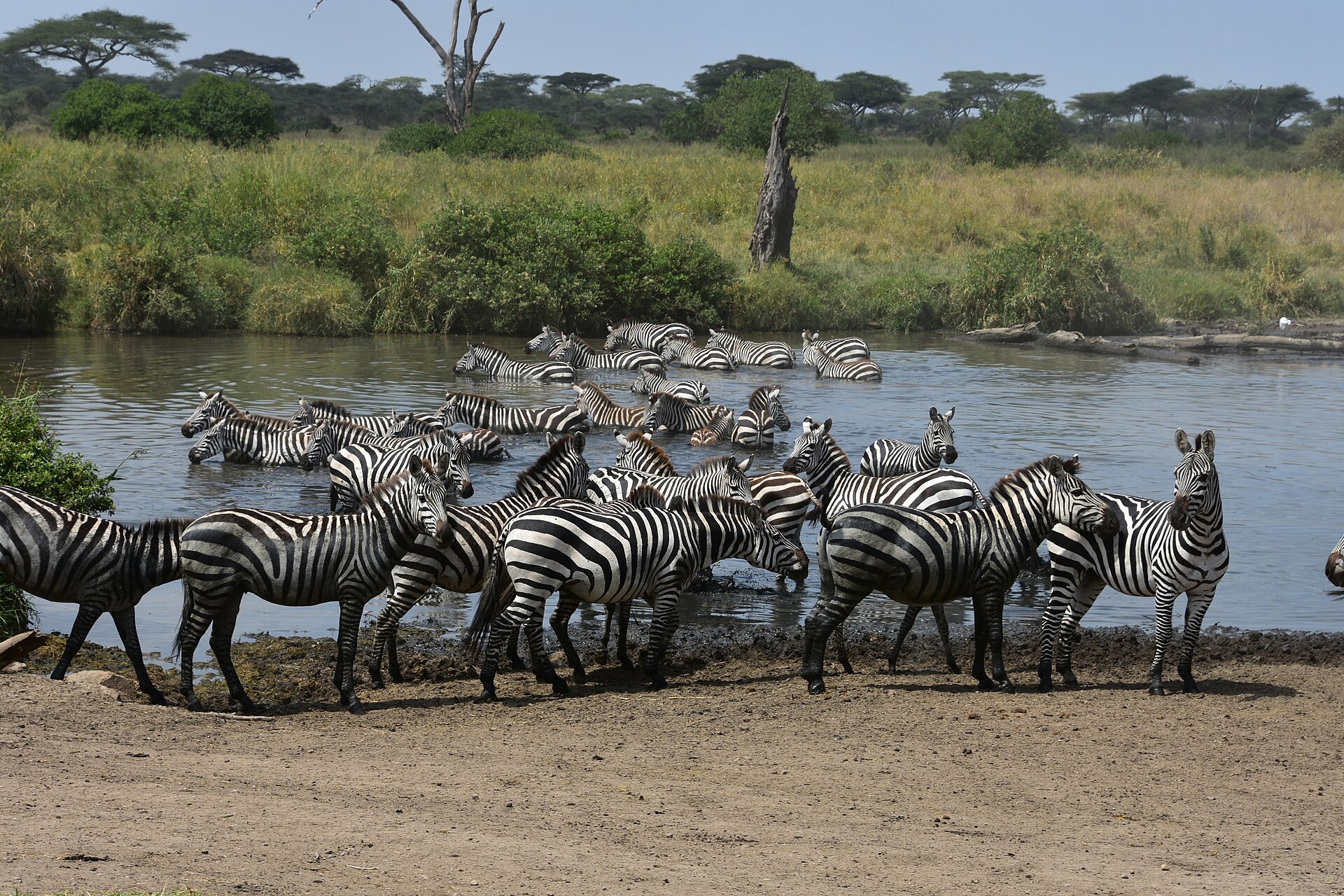
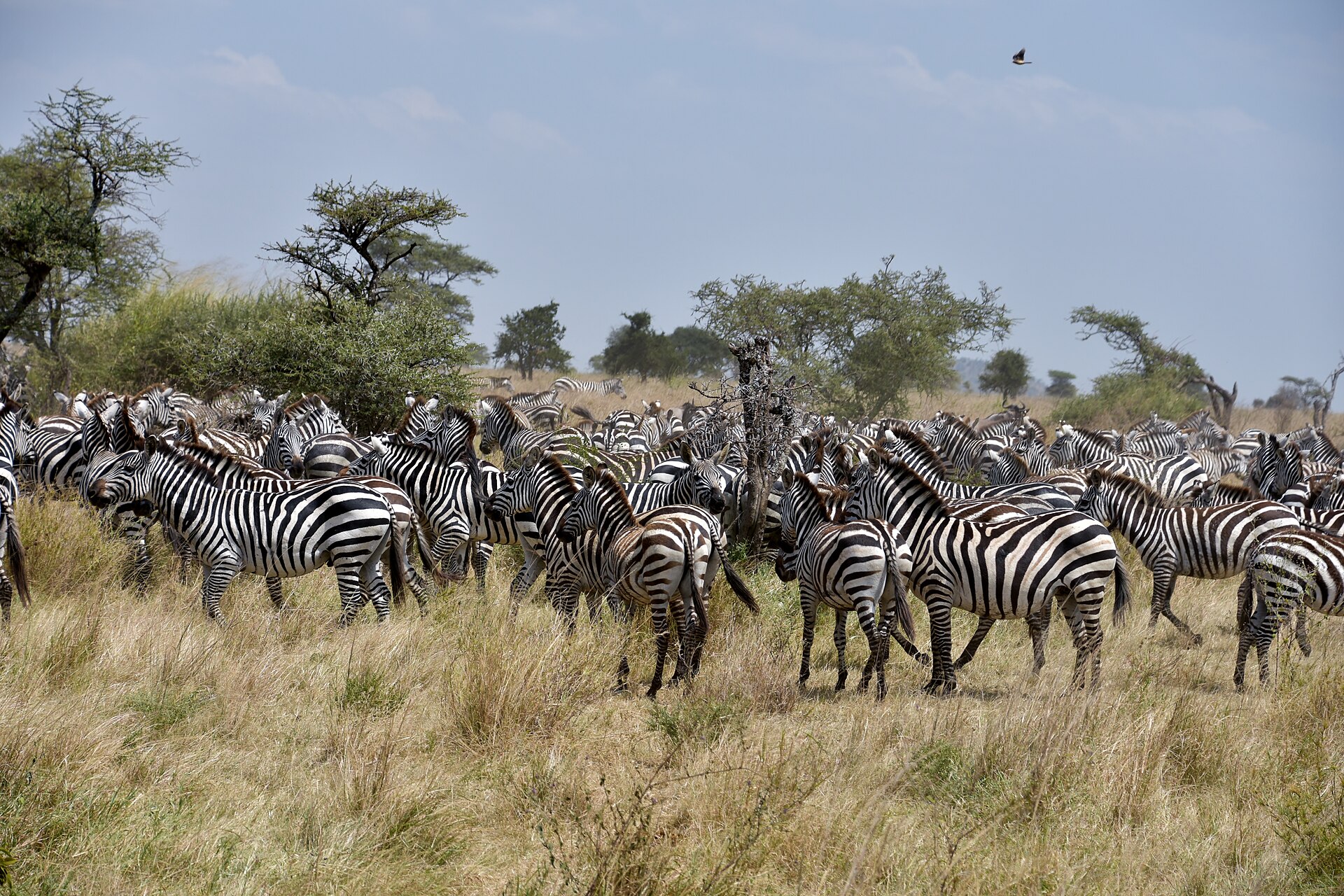
This is the migration itinerary for travellers who want three nights on the plains without a luxury budget. Mid-range tented camps in Tanzania are considerably better than the category name suggests: proper beds, en-suite bathrooms with hot water, full catering and, critically, locations inside the park rather than outside the gate.
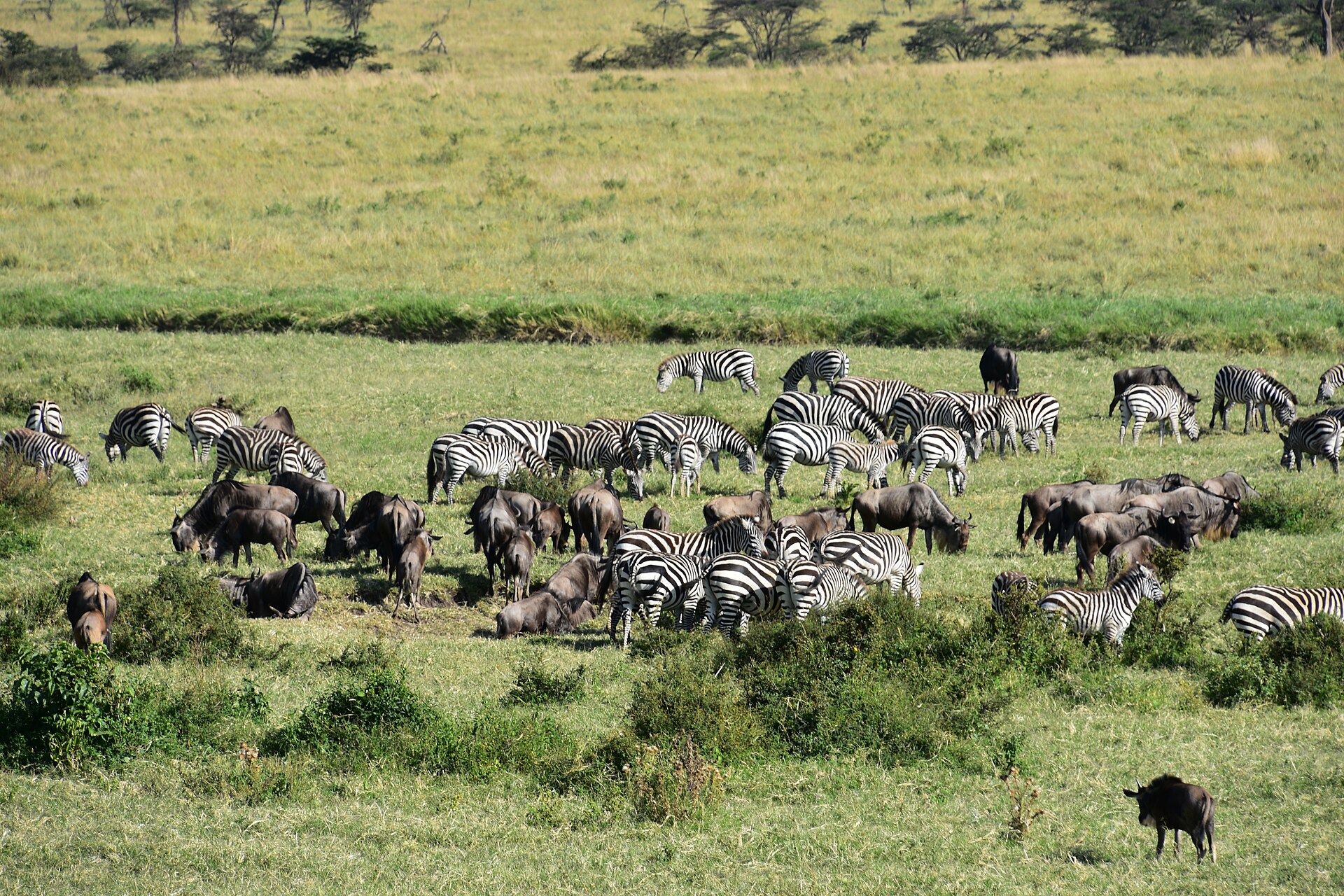
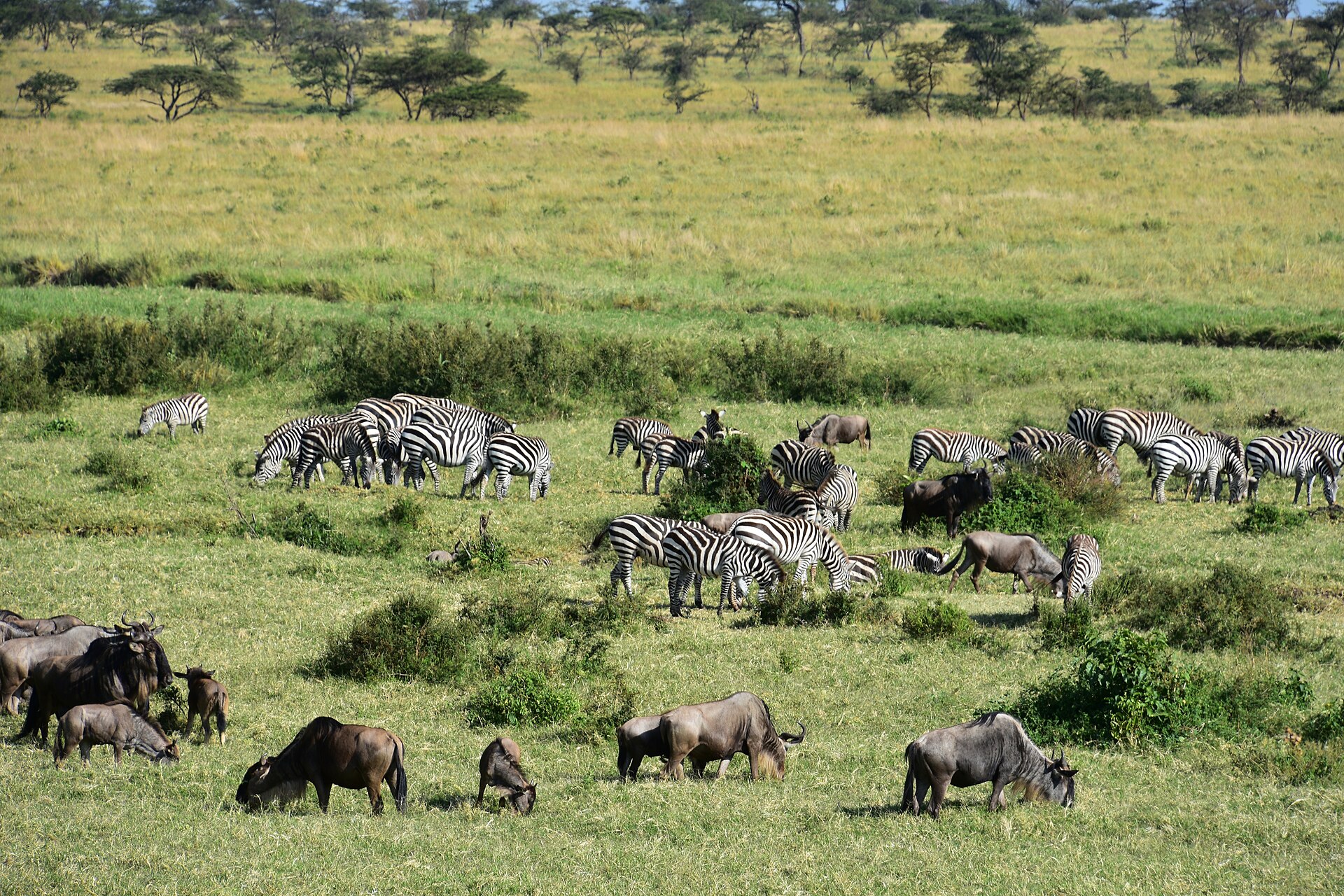
Three Serengeti nights is the meaningful threshold for migration viewing. With two nights you see the herds if they happen to be where you are. With three you have the flexibility to move sectors, absorb a slow day, and follow up on movement reported overnight.
Camp position is set by season. From December to March we place you in the south towards Ndutu for the calving concentrations. From April to June the herds move through the central and western Serengeti. From July onward they push north, and camps near Kogatende bring the Mara River crossings within reach.
Tarangire opens the trip and the crater closes it, which gives the itinerary the habitat range that a Serengeti-only trip lacks while keeping the emphasis firmly on the migration.
Planning your trip
Practical planning. The itinerary runs over 6 days, which sets the pace: each additional day reduces transfer pressure and gives the guide room to respond to conditions rather than follow a fixed schedule. We quote fees at the tariff period current at the time of booking, since park, conservation and crater charges are revised periodically and are a significant share of the total cost. Yellow fever certification is required if you are arriving from or transiting a country with risk of transmission, and travel insurance covering medical evacuation is a condition of travel on all our programmes.
Season. June to October is the classic dry season, when vegetation thins, water sources concentrate wildlife and roads are at their most reliable. December to March brings green landscapes, calving on the southern plains and lower rates. April and May are the long rains, when some tracks become difficult and a number of seasonal camps close.
In the parks. Stay in the vehicle unless your guide confirms a stop is authorised, keep noise low near wildlife, never feed animals and take all rubbish out with you. Off-road driving, drones and unsupervised walking are prohibited or restricted across the national parks and conservation areas. These rules exist because visitor pressure is the main long-term threat to the places you have come to see.
Where this trip goes
Read the full destination guides for every protected area covered by this itinerary before you travel. Each one sets out habitat, seasonality, access and the managing authority in detail.
Compare similar packages
If the length, pace or budget of this itinerary is not quite right, these alternatives cover comparable ground:
- 4-Day Classic Northern Circuit (Tarangire, Serengeti & Ngorongoro)
- 5-Day Best of Tanzania Wildlife Safari
- 6-Day Northern Circuit Wildlife & Cultural Safari
- 7-Day Luxury Serengeti & Crater Highlands Safari
You can also browse the full package catalogue or the destination directory to build a custom itinerary with us.
Highlights
- Three Serengeti nights positioned against current herd movement
- Mid-range tented camps inside the park boundary
- Tarangire elephant herds at the start
- Full Ngorongoro Crater floor game drive to close
- Flexibility to change sector based on overnight herd reports
Trip itinerary
Day 1: Arusha to Tarangire, overnight near the park
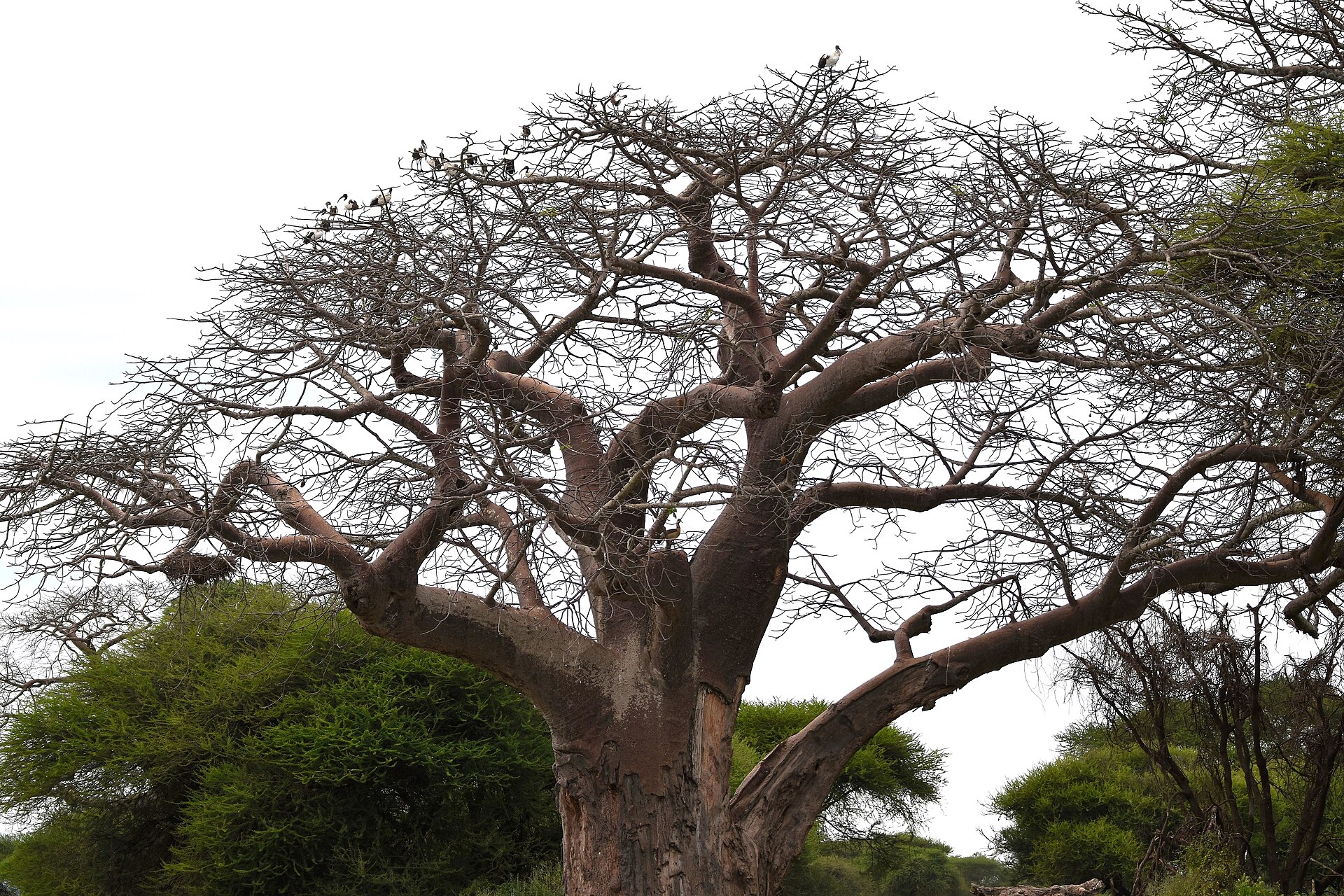
Morning departure and a full day on Tarangire’s northern river circuit. In the dry season the elephant concentrations here are the highest on the circuit.
Overnight at a lodge or camp in the Tarangire buffer area or in Karatu, depending on the season and camp availability.
Day 2: Transfer to the Serengeti
Early departure through Lodoare Gate, across the Ngorongoro highlands and down onto the plains. Depending on the month you either continue to Naabi Hill and the central Serengeti, or turn towards the Ndutu area if the calving herds are there.
The final approach is a game drive, reading grazing distribution as you go.
Day 3: Full day with the herds
A full day in the field with a picnic lunch, working the sector where the herds are concentrated. Predator activity around the grazing fronts is the focus, along with the raptor and scavenger community that follows it.
Day 4: Second full day, sector adjusted
Another full day, shifted to a different sector where movement warrants it. This is the day that three Serengeti nights buys you: the flexibility to react rather than repeat.
Day 5: Serengeti to the crater highlands
A final morning game drive on the plains before working east out of the park, with a stop at Oldupai Gorge if time allows.
Continue to a Karatu or crater rim lodge for the night.
Day 6: Ngorongoro Crater and return to Arusha
First light descent for the crater floor game drive, covering the forest, swamps and stream circuits with lunch at Ngoitokitok Springs.
Ascend in the early afternoon and transfer to Arusha, arriving in the evening.
Included
- Private 4x4 Land Cruiser with pop-up roof throughout
- Professional English-speaking driver-guide
- Five nights in mid-range lodges and tented camps on full board
- All park and conservation area entry fees
- Crater service and vehicle descent fees
- All meals as specified and bottled drinking water
Excluded
- International and domestic flights
- Tanzania visa fees and travel insurance
- Optional hot air balloon safari
- Drinks, laundry and personal purchases
- Tips for the driver-guide and camp staff
Accommodation
Five nights in mid-range lodges and tented camps on full board, with three of those inside or adjacent to the Serengeti.
Mid-range camps in the Serengeti offer permanent or semi-permanent tents with en-suite bathrooms, hot water and dining tents. During peak migration months in the south, seasonal mobile camps are used because they sit closer to the herds than any permanent property could.
FAQs
What does mid-range actually mean here?
Permanent or semi-permanent tented camps with real beds, en-suite bathrooms, hot water and full catering, located inside the park. It is not basic camping, and in most cases the difference from a luxury camp is service ratio and finish rather than comfort.
Why three Serengeti nights rather than two?
Because migration viewing rewards flexibility. Three nights lets you change sector when the herds move overnight, and absorb one quiet day without it defining the trip. Two nights leaves no margin.
Can I see a Mara River crossing on this itinerary?
Possible between roughly July and October if we base you in the north near Kogatende, but crossings are unpredictable and can involve long waits at the river. We will discuss realistic expectations for your dates rather than promise a crossing.
Is a private vehicle included?
Yes. Your 4x4 and driver-guide are exclusively yours for the whole trip, which matters a great deal for migration work because you can wait at a sighting or reposition without negotiating with other guests.
Will I see the big five on this trip?
Lion, elephant, buffalo and leopard are all realistically possible on the northern circuit, and rhino are seen in the Ngorongoro Crater with reasonable frequency though usually at distance. No operator can guarantee sightings of wild animals and we will not pretend otherwise.
What should I pack for a safari?
Neutral coloured layers, a warm fleece for early morning game drives, sun protection, binoculars and a camera with more storage than you expect to need. Soft-sided bags are required on any itinerary involving light aircraft, where the limit is typically 15 kilograms.
How much should I budget for tips?
Guidance rather than obligation: around 20 to 30 US dollars per vehicle per day for the driver-guide, and 5 to 10 dollars per guest per day for camp staff, pooled. We will give you a specific breakdown for your itinerary before departure.
How far in advance should I book 6-Day Mid-Range Serengeti Migration Adventure?
For peak months, meaning July to October and the Christmas and New Year period, six to twelve months ahead. Camps and mountain permits in those windows genuinely sell out. For green season travel, two to three months is usually sufficient.
Can this itinerary be customised?
Yes. Every itinerary we publish is a starting point. Days can be added or removed, accommodation tiers changed, internal flights substituted for road transfers, and extensions to Zanzibar or the southern parks attached. Tell us the constraint and we will build around it.
What are the visa and entry requirements?
Most nationalities need a visa, available online in advance or on arrival at Kilimanjaro International Airport. A yellow fever certificate is required if you are arriving from or transiting a country with risk of transmission. Passports must have at least six months validity.