
Day Trips
Materuni Waterfalls & Chagga Coffee Tour (Moshi)
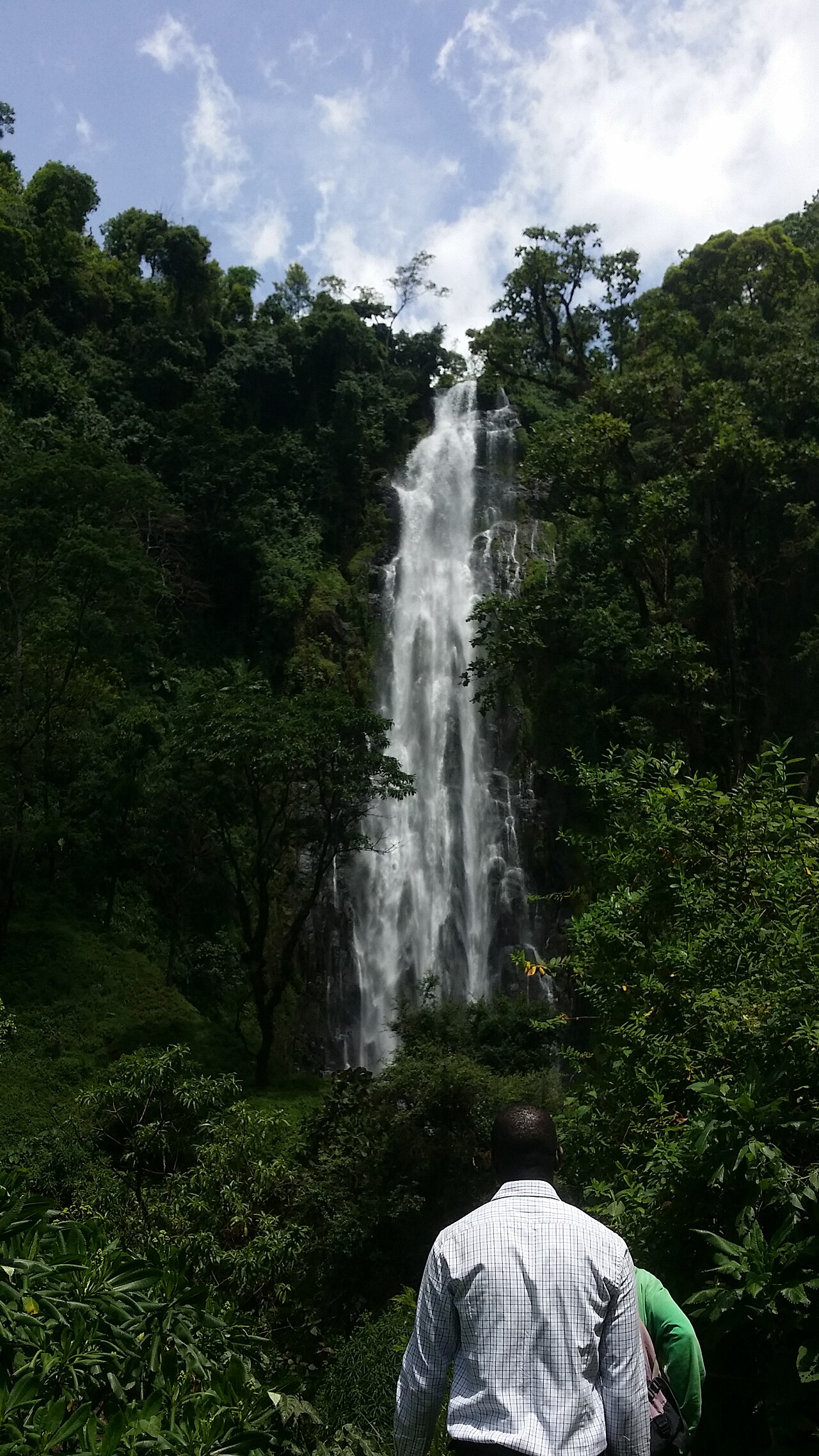
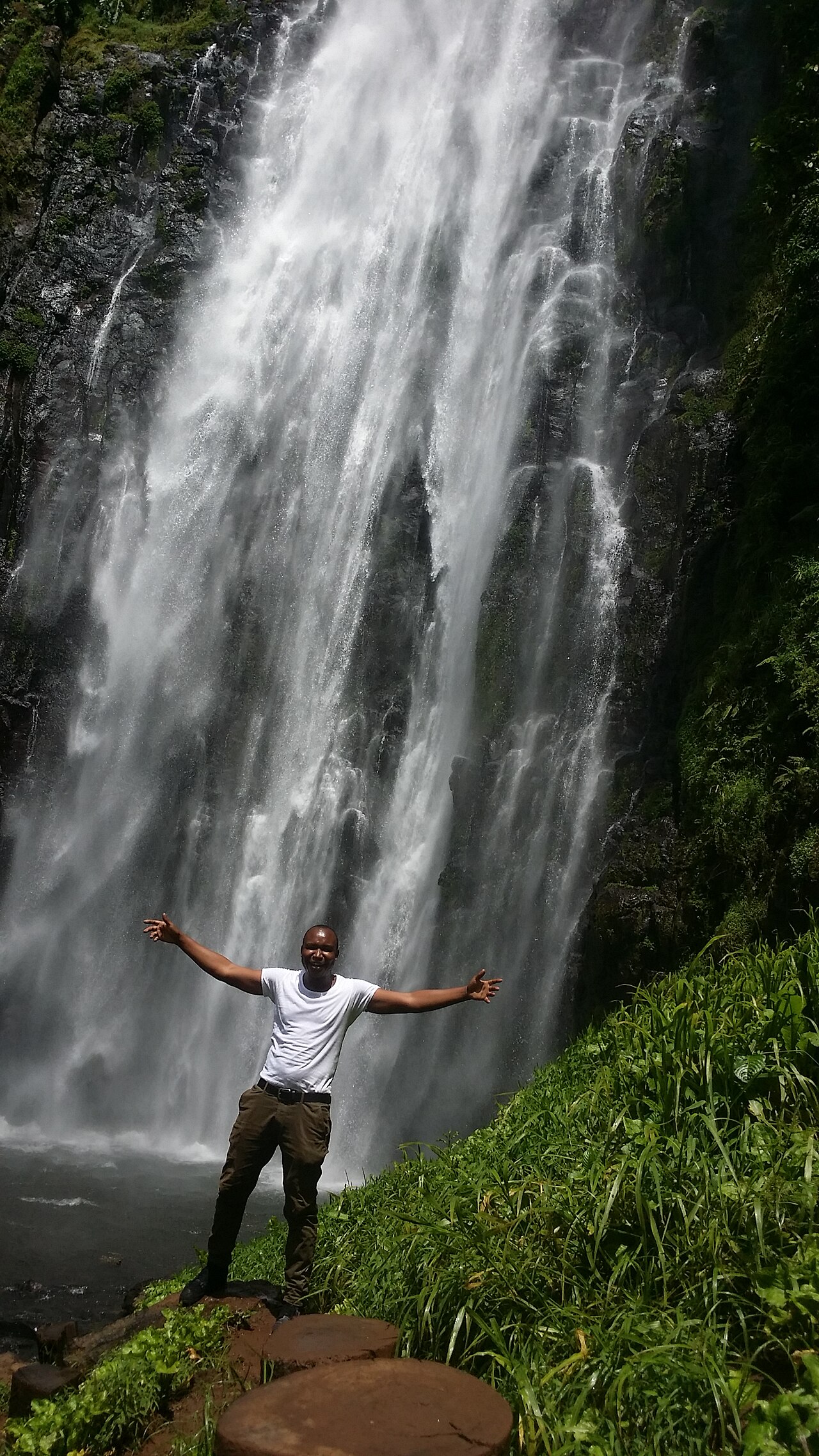
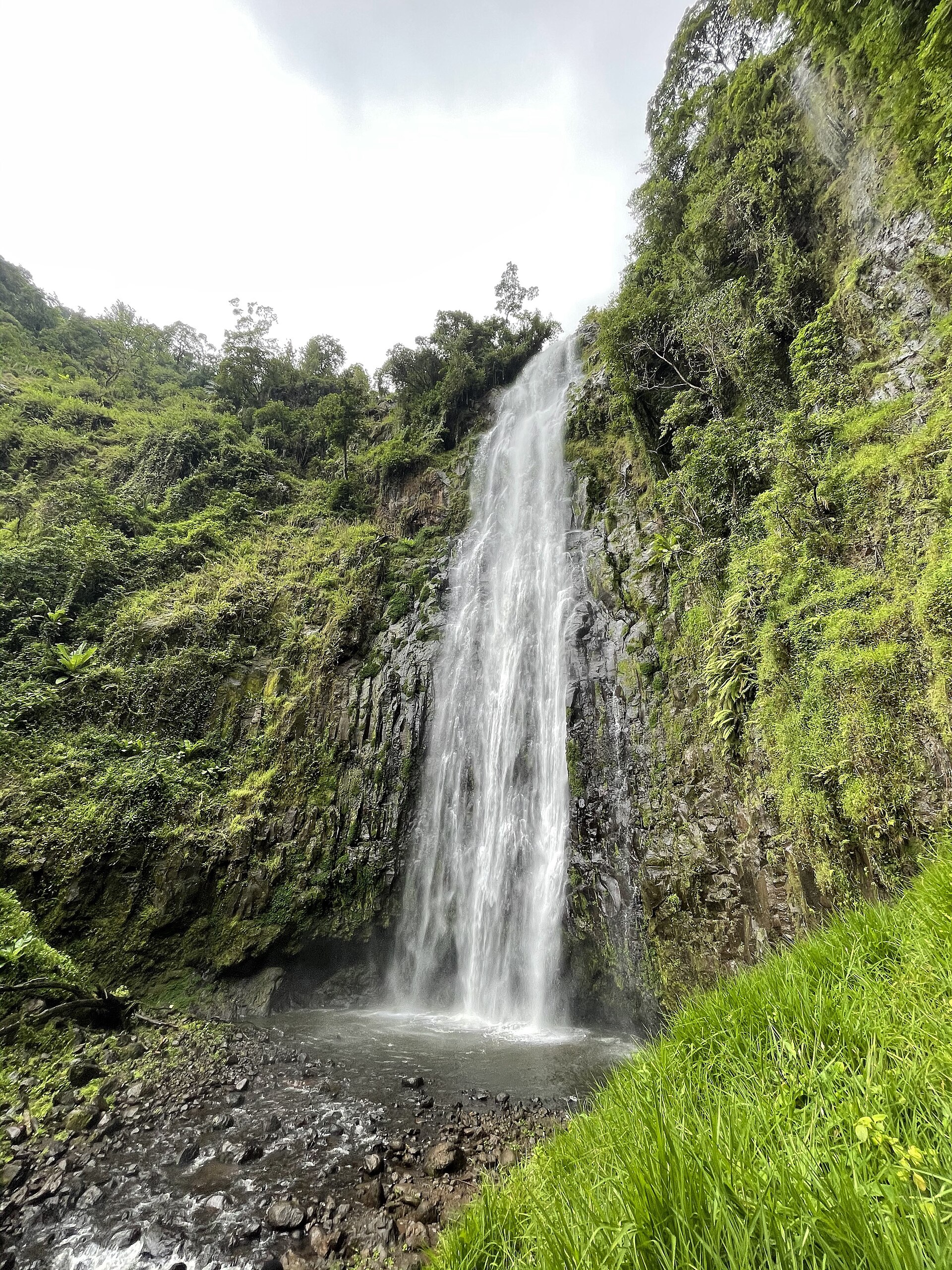
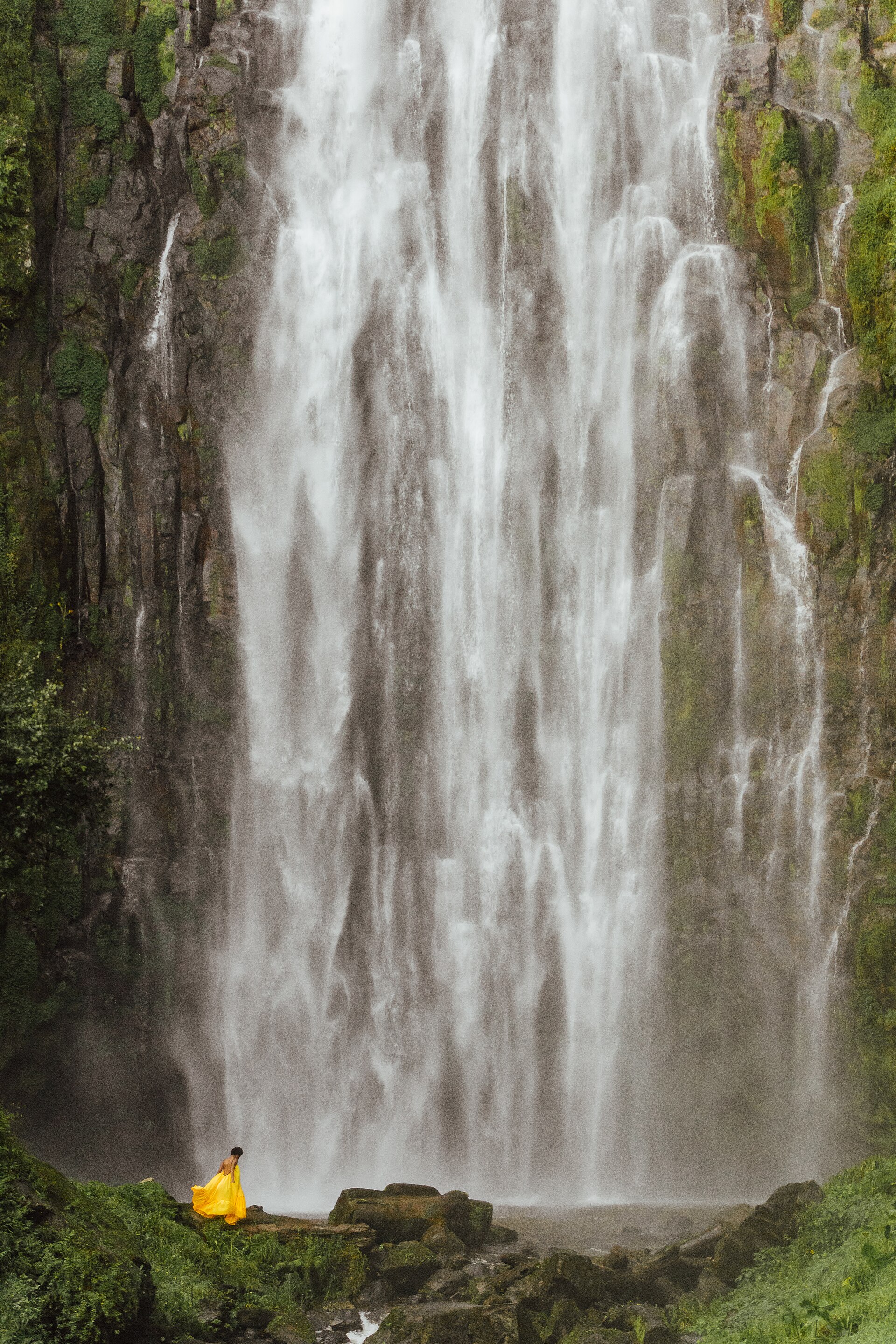
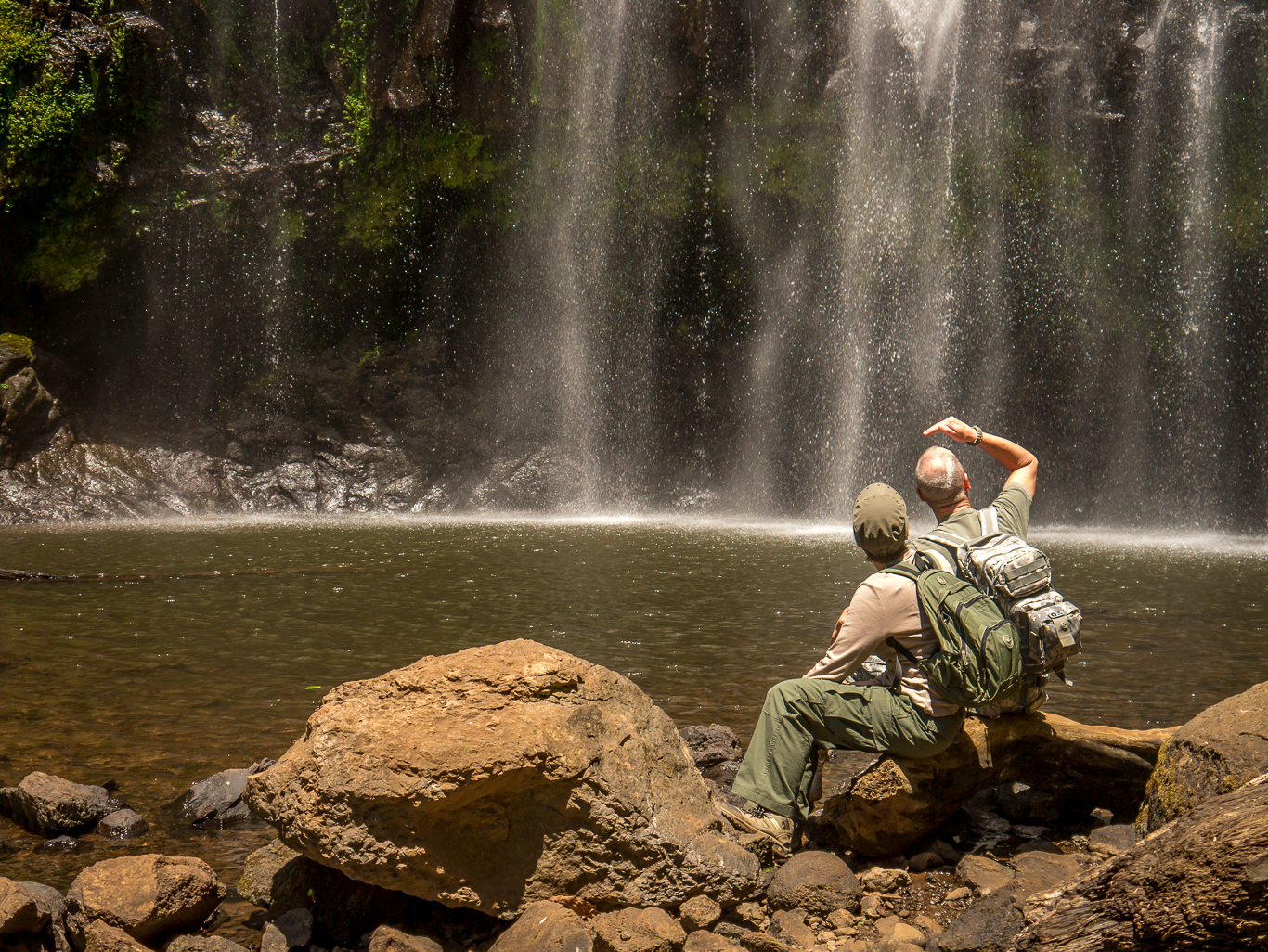
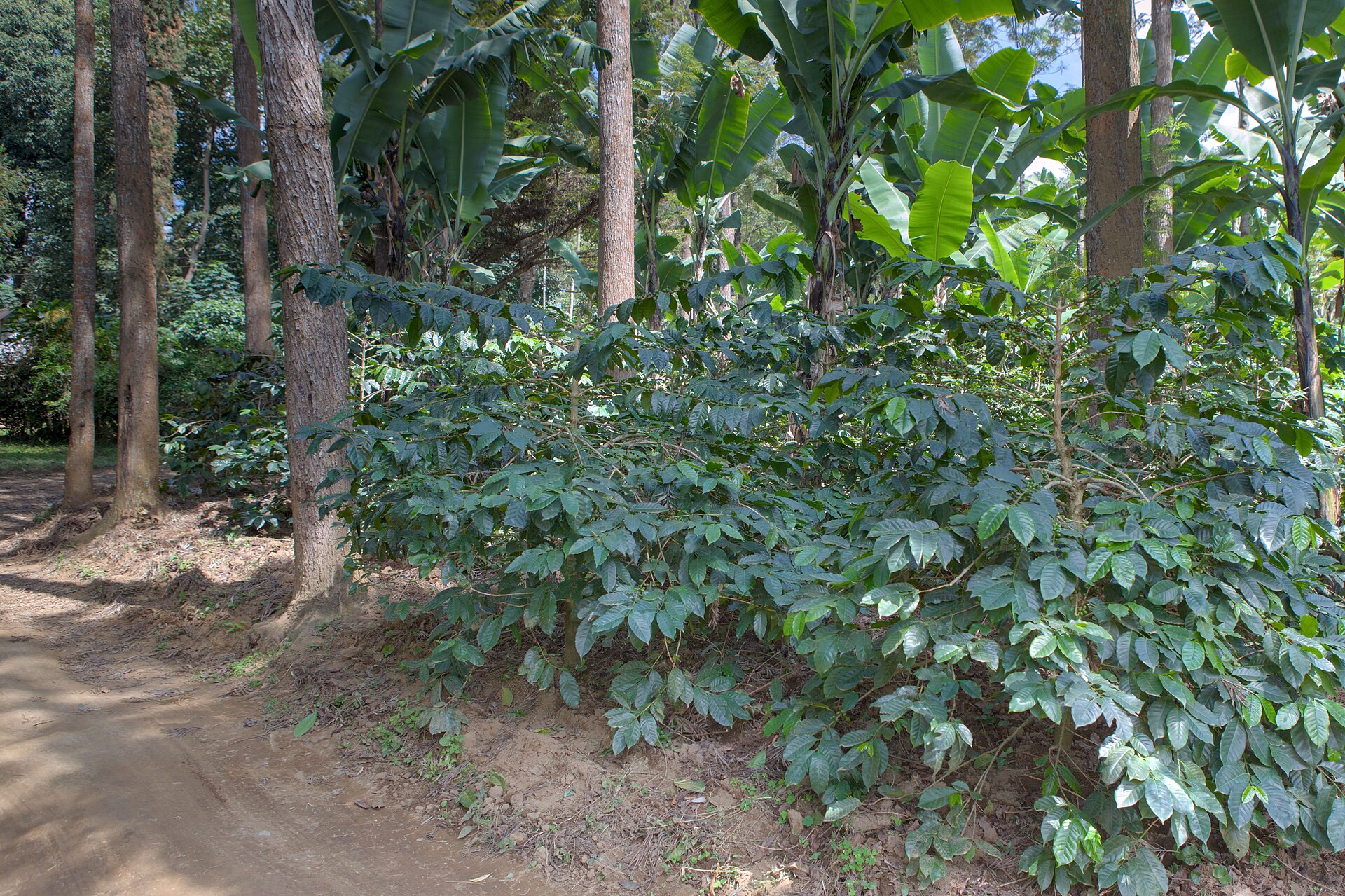
Materuni village sits at around 1,400 metres on Kilimanjaro’s southern slopes, roughly 45 minutes above Moshi through banana and coffee smallholdings. It is the most popular day excursion in the region and, unusually for a popular thing, it deserves the reputation.
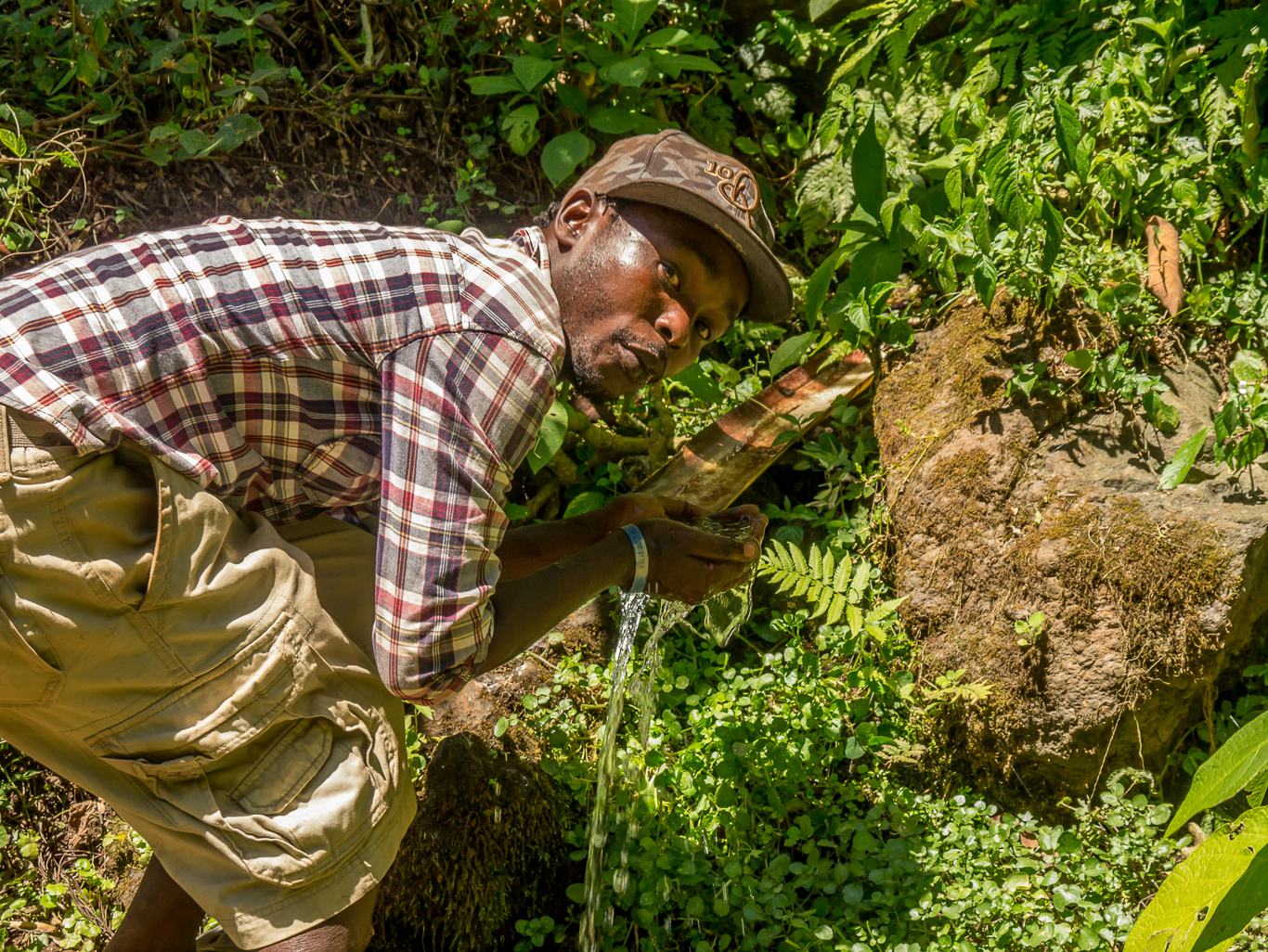
The waterfall walk takes about 45 minutes each way on a path through rainforest and cultivated plots, descending into a gorge to a fall of roughly 80 metres dropping into a pool. The pool is genuinely cold, fed directly by glacier melt and mountain springs, and swimming is optional and briefly bracing.
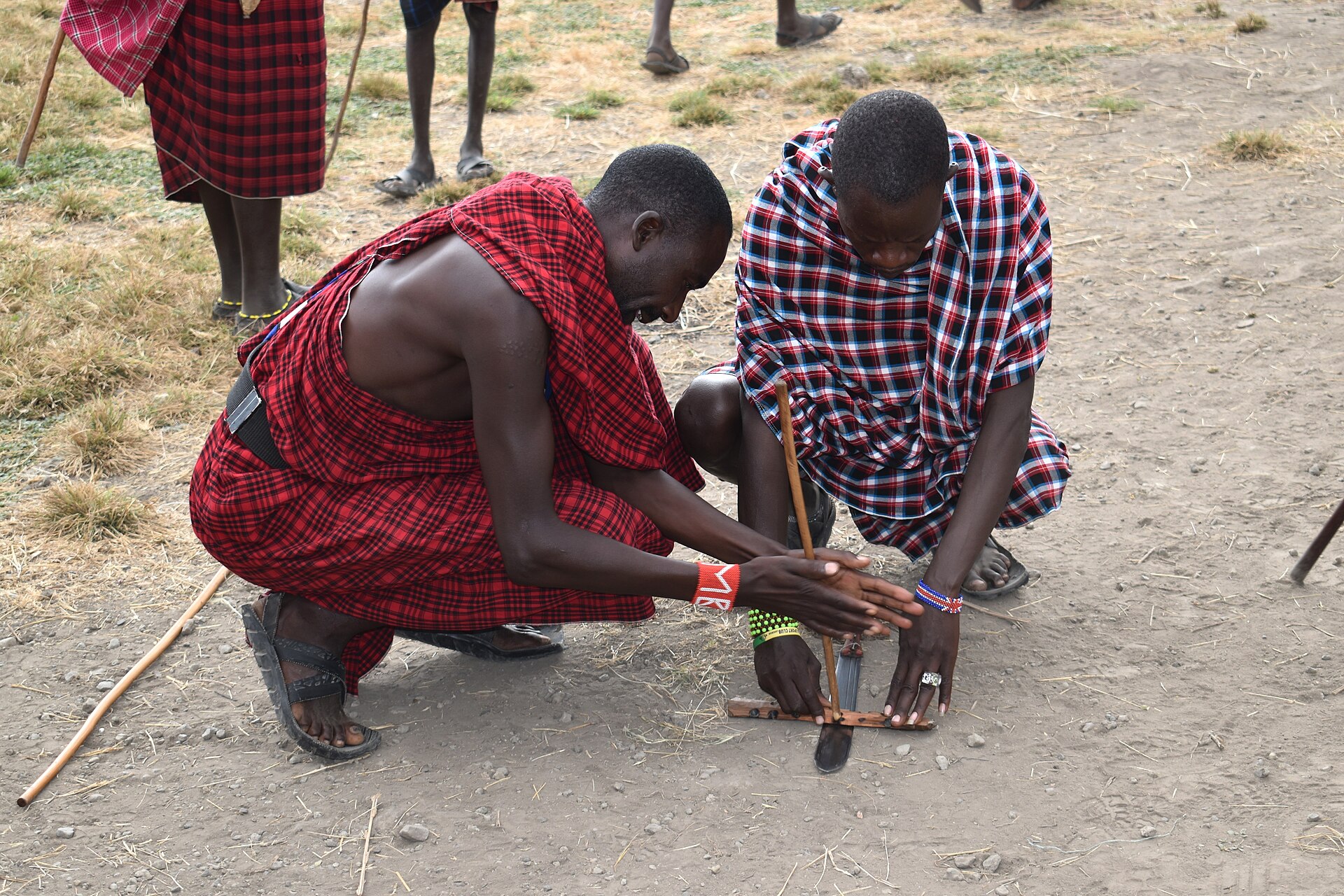
The coffee component is what elevates the day. The Chagga have farmed these slopes for centuries and the arabica grown here is exported worldwide. You take part in the full process: picking cherries, pulping, drying, roasting over a fire, pounding in a wooden mortar to a traditional work song, and finally drinking what you have made. It takes around two hours and it is participatory rather than demonstrative.
Fees paid on this tour go substantially to the village cooperative rather than to an outside operator, which is the main reason we use Materuni over some of the alternatives.
Planning your trip
Practical planning. This is a single day programme, so the whole experience depends on an early start and on weather conditions holding through the middle of the day. We quote fees at the tariff period current at the time of booking, since park, conservation and crater charges are revised periodically and are a significant share of the total cost. Yellow fever certification is required if you are arriving from or transiting a country with risk of transmission, and travel insurance covering medical evacuation is a condition of travel on all our programmes.
Season. June to October is the classic dry season, when vegetation thins, water sources concentrate wildlife and roads are at their most reliable. December to March brings green landscapes, calving on the southern plains and lower rates. April and May are the long rains, when some tracks become difficult and a number of seasonal camps close.
In the parks. Stay in the vehicle unless your guide confirms a stop is authorised, keep noise low near wildlife, never feed animals and take all rubbish out with you. Off-road driving, drones and unsupervised walking are prohibited or restricted across the national parks and conservation areas. These rules exist because visitor pressure is the main long-term threat to the places you have come to see.
Where this trip goes
Read the full destination guides for every protected area covered by this itinerary before you travel. Each one sets out habitat, seasonality, access and the managing authority in detail.
Compare similar packages
If the length, pace or budget of this itinerary is not quite right, these alternatives cover comparable ground:
- Marangu Village & Kinukamori Waterfalls Cultural Hike
- Chemka (Kikuletwa) Hot Springs Day Trip
- Serval Wildlife Sanctuary Experience (Siha)
- 5-Day Marangu Route Trek
You can also browse the full package catalogue or the destination directory to build a custom itinerary with us.
Highlights
- 80 metre Materuni Falls in a rainforest gorge
- Full hands-on Chagga coffee process from cherry to cup
- Traditional pounding song and local lunch in the village
- Views towards Kibo on a clear morning
- Community cooperative fees paid at village level
Trip itinerary
Day 1: Moshi to Materuni village and return
Collection from your Moshi accommodation around 08:30, or roughly 07:00 from Arusha, and a drive of about 45 minutes up through the coffee and banana belt to Materuni village at around 1,400 metres.
Meet your local guide and walk about 45 minutes down into the gorge to the falls, through rainforest and cultivated plots. Time at the pool for photographs and a cold swim, then the climb back up.
The afternoon is the coffee process: picking, pulping, drying, roasting over an open fire, pounding to the traditional work song and tasting. A Chagga lunch follows, and you return to Moshi in the late afternoon.
Included
- Return transfer from Moshi or Arusha accommodation
- Local Chagga guide and village entry fees
- Full coffee experience including roasting and tasting
- Traditional Chagga lunch in the village
- Bottled drinking water
Excluded
- Tips for the guide and village hosts
- Personal purchases including coffee to take home
- Travel insurance
- Alcoholic drinks
Accommodation
This is a day excursion with no accommodation included. Most guests are staying in Moshi, which is 45 minutes away, or in Arusha, which adds roughly an hour and a half each way.
The tour pairs naturally with a Kilimanjaro climb, either as an acclimatisation-friendly warm-up day before the trek or as a gentle recovery activity afterwards, and many of our climbing guests do exactly that.
FAQs
How difficult is the waterfall walk?
Moderate. About 45 minutes each way on an uneven path with a descent into the gorge and a climb back out. It can be slippery after rain. Reasonable fitness and proper shoes are needed, but it is not a serious hike.
Can I swim at the falls?
Yes, and many people do. The water is glacier and spring fed and genuinely cold, so most swims are short. Bring a towel and something to change into.
Is the coffee experience participatory?
Entirely. You pick, pulp, roast and pound the coffee yourself, including joining the traditional pounding song. It is not a demonstration you watch from a chair, which is why it takes around two hours.
What should I bring?
Walking shoes with grip, a swimsuit and towel, a light rain jacket, sun protection and cash for coffee purchases or tips. The forest holds moisture year round so the path is rarely completely dry.
Will I see the big five on this trip?
Lion, elephant, buffalo and leopard are all realistically possible on the northern circuit, and rhino are seen in the Ngorongoro Crater with reasonable frequency though usually at distance. No operator can guarantee sightings of wild animals and we will not pretend otherwise.
Is a private vehicle included?
Road-based itineraries use a private 4x4 Land Cruiser with a pop-up roof, exclusively for your party, with a guaranteed window seat. Fly-in itineraries use camp-based vehicles shared with a small number of other guests, and a private vehicle can be added at extra cost.
What should I pack for a safari?
Neutral coloured layers, a warm fleece for early morning game drives, sun protection, binoculars and a camera with more storage than you expect to need. Soft-sided bags are required on any itinerary involving light aircraft, where the limit is typically 15 kilograms.
How much should I budget for tips?
Guidance rather than obligation: around 20 to 30 US dollars per vehicle per day for the driver-guide, and 5 to 10 dollars per guest per day for camp staff, pooled. We will give you a specific breakdown for your itinerary before departure.
How far in advance should I book Materuni Waterfalls & Chagga Coffee Tour (Moshi)?
For peak months, meaning July to October and the Christmas and New Year period, six to twelve months ahead. Camps and mountain permits in those windows genuinely sell out. For green season travel, two to three months is usually sufficient.
Can this itinerary be customised?
Yes. Every itinerary we publish is a starting point. Days can be added or removed, accommodation tiers changed, internal flights substituted for road transfers, and extensions to Zanzibar or the southern parks attached. Tell us the constraint and we will build around it.