Eastern Tanzania
Trip highlights
- Only TANAPA national park with ocean frontage of this type
- Wami River boat safaris
- Beach and savannah combination near Dar es Salaam and Zanzibar routes
- Coastal birdlife and estuary habitats
Overview
Saadani National Park covers about 1,100 square kilometres along the Tanzanian coast. It is the principal national park where safari game viewing meets ocean beach within a single TANAPA-managed area.
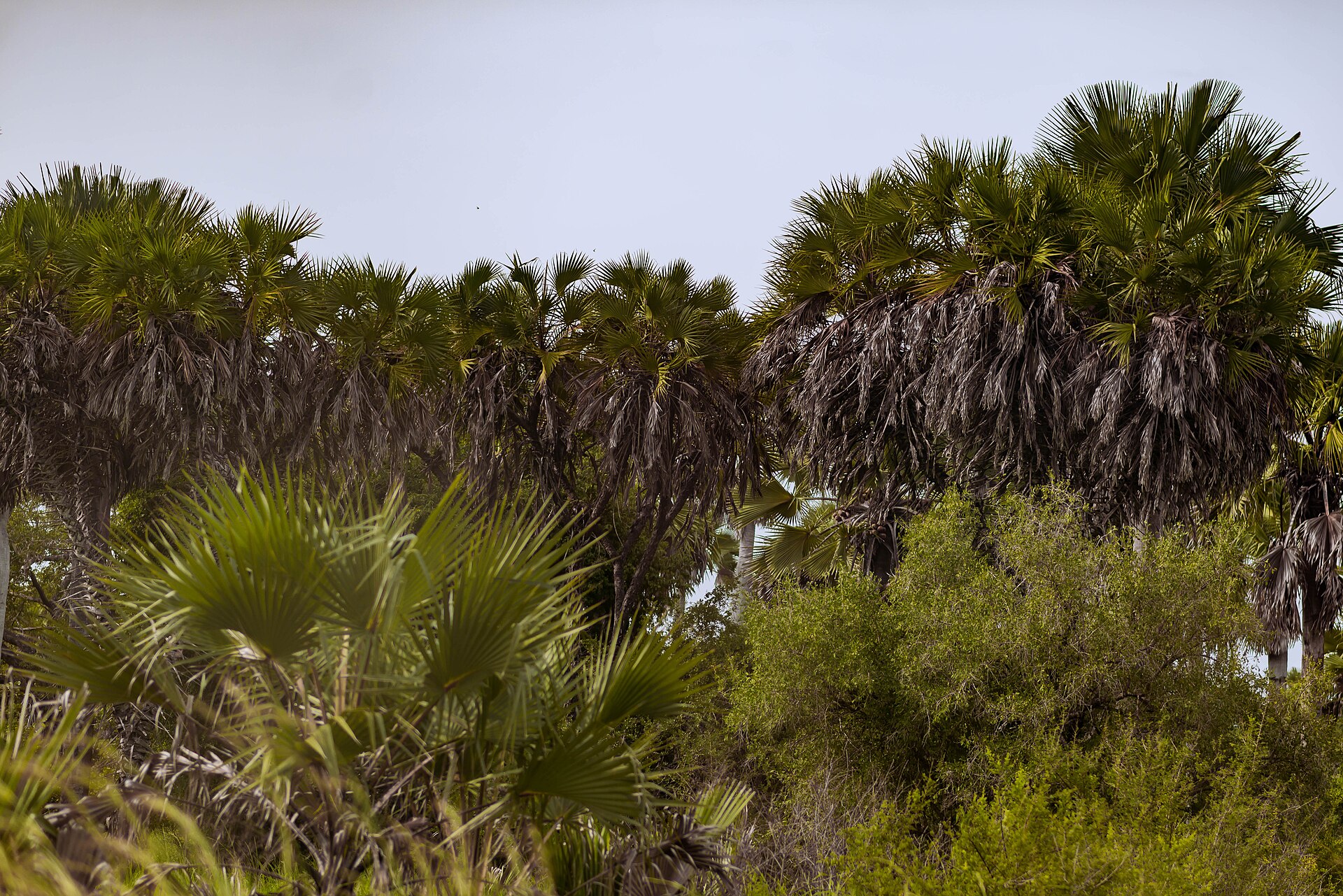
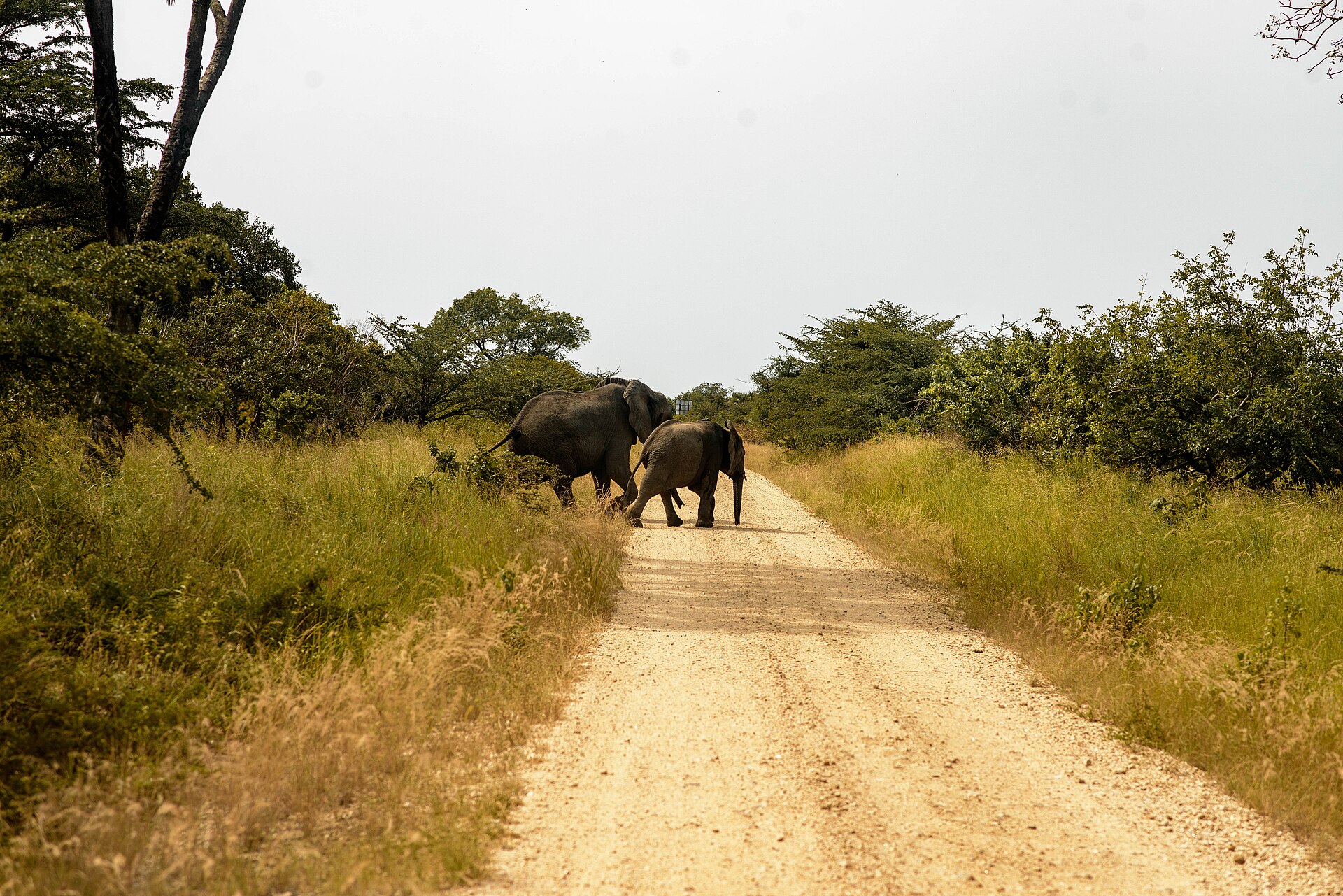
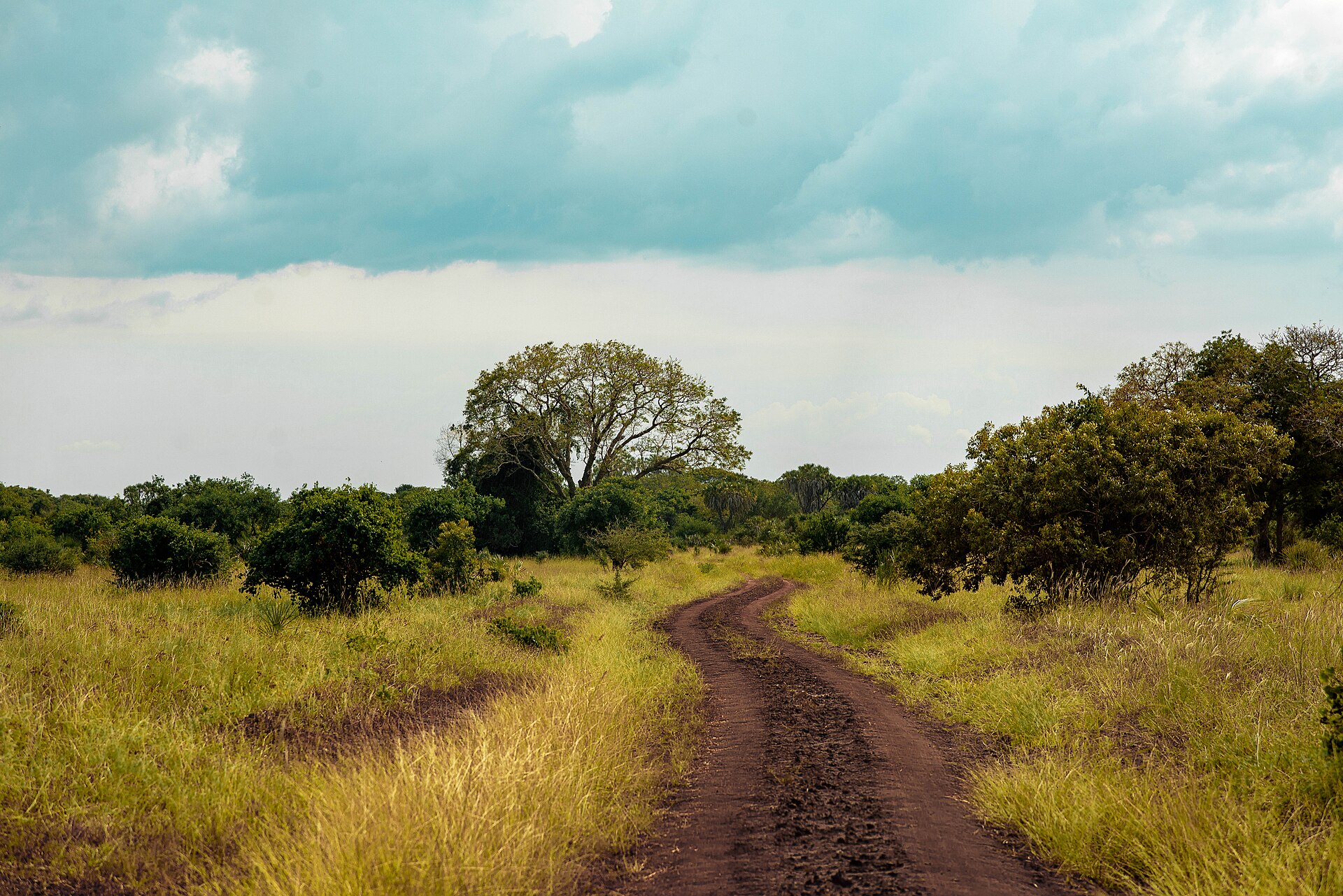
Habitats include coastal forest, palm-dotted grassland, mangrove and the Wami River estuary. Wildlife includes giraffe, elephant, lion, boat-viewed hippo and crocodile, and marine-related birdlife.
Practical planning for Saadani National Park should begin with habitat, season and access rather than a generic checklist. The protected area covers 1,100 square kilometres within eastern tanzania, and day to day wildlife distribution responds to water, forage and human movement rules set by the Tanzania National Parks Authority (TANAPA).
Seasonality remains decisive. The months most often recommended for structured visits include June, July, August, September, October. Even within those windows, morning and late afternoon light, road condition after rain, and lodge location change what a visitor can cover in one day. Multi night stays reduce transit pressure and allow more than one sector or trail system to be used properly.
Visitor conduct is part of conservation outcomes. Stay on authorised roads or trails, keep distance from wildlife, and follow guide and ranger instructions at gates, viewpoints and trailheads. Off road driving, littering and unlicensed guiding undermine both ecology and the quality of later visits.
Saadani National Park works best as part of a coherent regional itinerary. Pairing it with neighbouring parks or conservation areas gives habitat contrast, spreads logistical risk and avoids compressing too many objectives into a single rushed transfer day.

Activities
Game drives, boat safaris on the Wami River and guided beach walks are the main activities. Swimming is subject to local advice on currents and safety.
Activity choice in Saadani National Park should match fitness, travel style and current regulations. Some zones favour vehicle based viewing, while others are trail, boat or mountain oriented. Confirm which products are formally authorised before marketing or booking a programme.
Timing matters as much as the activity type. Early starts usually improve wildlife activity and trail conditions, while midday heat or mist can reduce both comfort and sighting quality. Operators should brief guests on expected duration, difficulty and shut off times set by park management.
Attractions
The Wami estuary, coastal plains and beach sectors used by lodges are the primary visitor areas.
Attractions inside Saadani National Park are not static postcard points. Waterholes, river bends, forest belts and viewpoints gain or lose importance with season. A good circuit uses current local knowledge instead of repeating the same stop list every month of the year.
Interpretation should remain factual: geology, ecology and management history explain why a site matters. Avoid overcrowding sensitive viewpoints and leave no waste at picnic or lookout sites.
Accommodations
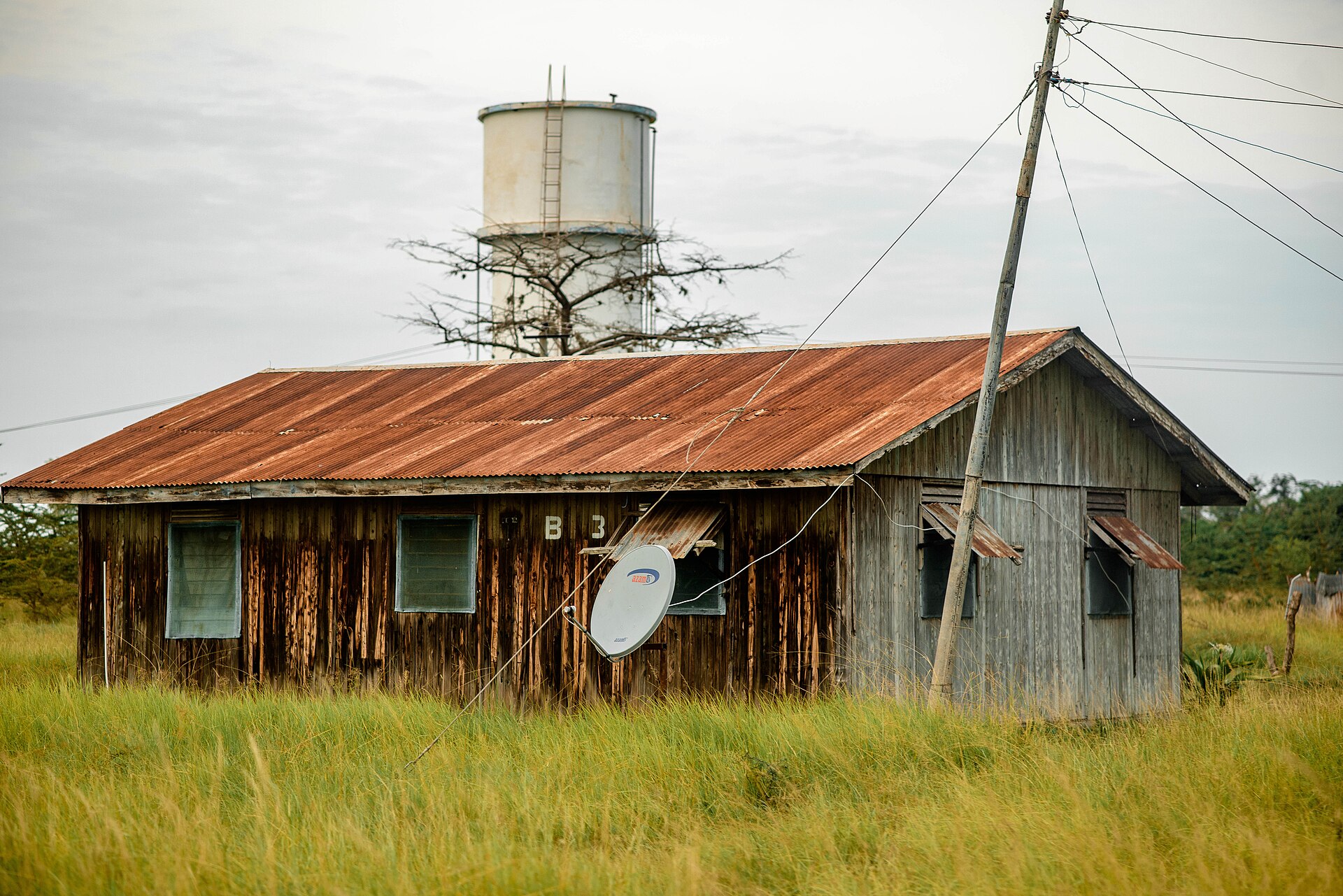
Beach lodges and tented camps operate inside or beside the park. Stays are often combined with Zanzibar or Dar es Salaam travel.
Accommodation around Saadani National Park ranges from permanent lodges to seasonal camps and simple bandas, depending on location. Confirm whether the property sits inside the protected area, in a concession, or in a nearby town, because this affects gate timing, night sounds and transfer length.
When comparing properties, ask about medical response plans, communications, airstrip or road access in wet months, and whether rates include park related logistics. Comfort expectations should be set honestly for remote western or highland locations.
How to get there
Road transfer from Dar es Salaam is possible. Light aircraft and boat connections are used by some lodges. Ferry and flight links via Zanzibar may form part of wider itineraries.
Access planning for Saadani National Park must include gate opening hours, vehicle requirements, flight connections and seasonal road risk. Charter flights save time but still need ground transfers that match lodge schedules.
Carry confirmation of fees, permits and guide arrangements before arrival. Self drive visitors should use up to date route advice and never assume that a dry season track remains passable after heavy rain.
Good to know
Approximate area: 1,100 km².
Establishment: 2005.
Managing authority: Tanzania National Parks Authority (TANAPA).
Humidity is higher than in highland parks. Mosquito protection is important. Wildlife densities differ from Serengeti; the appeal is the coastal setting combined with classic safari species.
Gallery
Frequently asked questions
Can Saadani replace a northern circuit safari?
It offers a different experience rather than a like-for-like replacement. Travellers seeking dense migration viewing still need Serengeti or related northern parks.
How many nights are practical in Saadani National Park?
Two nights is a sensible baseline for most visitors, because one night often becomes a single short game drive or trail window. Longer stays help when the area is large, remote or divided into distinct sectors.
Which months are generally strongest for a visit?
Planning commonly focuses on June, July, August, September, October. These windows still vary with rainfall. Wet approaches can close tracks, while peak dry months can increase both wildlife concentration and visitor traffic in popular sectors.
Who manages Saadani National Park and which rules apply?
Operational control sits with TANAPA. Fees, guiding rules, trail or road access and overnight permissions follow that authority’s current notices, which can differ from neighbouring protected areas.
Is Saadani National Park suitable for first time visitors to Tanzania?
It can be, provided the itinerary matches the park’s character. Dense savannah parks suit first safaris well. Forest, mountain or remote western parks demand clearer briefing on walking difficulty, remoter logistics and sighting style.
Do I need a specialist guide or operator?
Licensed guiding is required for many activities. Using an operator who knows current gate procedures, seasonal routes and lodge airstrips reduces delays and keeps the visit compliant with park regulations.
What health and safety points matter most?
Plan for malaria risk where relevant, sun exposure, hydration and, in highland or mountain settings, cold nights or altitude effects. Remote parks need clearer evacuation and communication plans than properties near Arusha or Dar es Salaam.
Can children visit Saadani National Park comfortably?
Family suitability depends on activity type. Long dusty game drives differ from steep forest trails or high altitude climbs. Ask for age policy on walks, boat outings and mountain programmes before confirming.
How should Saadani National Park be combined with other destinations?
Combine habitats rather than repeating the same landscape. Northern circuit parks pair naturally together. Southern woodland parks pair with Nyerere or Udzungwa. Western chimpanzee or floodplain parks often work as fly in extensions.
What costs should travellers budget beyond lodging?
Budget conservation or entry fees, vehicle or crater related charges where applicable, guide costs, internal flights and tips. Fee schedules change, so quotations should cite the tariff period being used.